- Imprint: Ebury Digital
- ISBN: 9781448177684
- Length: 240 pages
- Price: £3.99
Man's Search For Meaning
The classic tribute to hope from the Holocaust
Format:
Buy the book from:
Man's Search For Meaning is Viktor E. Frankl's account of his imprisonment in Nazi concentration camps and the psychological insights he drew from his experience. Combining personal testimony with his ideas about meaning and purpose, it offers a first-hand perspective on how people can respond to suffering and adversity.
About the book
In 1942, just months after marrying, Frankl and his family were deported first to Theresienstadt and later to Auschwitz. There, he observed how prisoners responded differently to the extreme conditions around them: some continued to comfort others or give away their last piece of bread, while others gradually lost the inner resources that had helped them resist the camps' degrading effects.
These observations became central to Frankl's belief that even when circumstances cannot be changed, people retain the freedom to choose their attitude towards them. He argues that the search for meaning is a fundamental human drive, and develops these ideas through logotherapy, drawing on psychological and clinical examples alongside his own experiences.
This special gift edition also includes a foreword by historian Sir Martin Gilbert and additional archive material, including selected letters and speeches by Frankl.
Comparable books
If you're looking for books similar to Man's Search For Meaning, these books also explore survival, suffering and the human capacity to find purpose or rebuild a life, through perspectives ranging from psychology to personal Holocaust testimony.
- Topics: Meaning and purpose; suffering; resilience; responsibility; logotherapy
- Places: Theresienstadt; Auschwitz
- Period: Second World War
- Perspective: First-hand account from a concentration-camp survivor and psychiatrist
About the book
In 1942, just months after marrying, Frankl and his family were deported first to Theresienstadt and later to Auschwitz. There, he observed how prisoners responded differently to the extreme conditions around them: some continued to comfort others or give away their last piece of bread, while others gradually lost the inner resources that had helped them resist the camps' degrading effects.
These observations became central to Frankl's belief that even when circumstances cannot be changed, people retain the freedom to choose their attitude towards them. He argues that the search for meaning is a fundamental human drive, and develops these ideas through logotherapy, drawing on psychological and clinical examples alongside his own experiences.
This special gift edition also includes a foreword by historian Sir Martin Gilbert and additional archive material, including selected letters and speeches by Frankl.
Comparable books
If you're looking for books similar to Man's Search For Meaning, these books also explore survival, suffering and the human capacity to find purpose or rebuild a life, through perspectives ranging from psychology to personal Holocaust testimony.
- The Choice by Edith Eger: Like Frankl, Eger writes as both an Auschwitz survivor and a psychologist, connecting her experiences during the Holocaust with ideas about freedom, resilience and the ways people respond to suffering. Where Frankl develops his philosophy of meaning and logotherapy, Eger focuses on surviving Auschwitz and learning to live again after liberation.
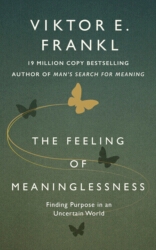
- Yes to Life: In Spite of Everything by Viktor E. Frankl: These talks, delivered shortly after Frankl's liberation from Auschwitz, develop the same concerns with meaning, resilience and the possibility of affirming life in the face of suffering. Rather than combining camp testimony with an extended account of logotherapy, the book presents Frankl's emerging philosophy through a series of talks given in 1946.
- A Delayed Life by Dita Kraus: Kraus's memoir shares Frankl's first-hand perspective on Nazi persecution and imprisonment at Auschwitz, while also recounting her experiences at Bergen-Belsen and her life after liberation. Its focus is more explicitly autobiographical, following Kraus from her childhood in Prague through the camps and into the life she later rebuilt in Israel.