- Series: Vintage Classics Woolf Series
- Imprint: Vintage Classics
- ISBN: 9781784870843
- Length: 240 pages
- Dimensions: 177mm x 17mm x 130mm
- Weight: 194g
- Price: £9.99
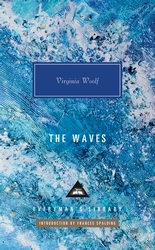
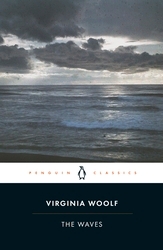
The Waves (Vintage Classics Woolf Series)
Format:
Buy the book from:
The Waves is an astonishingly beautiful and poetic novel from Virginia Woolf.
It begins with six children playing in a garden by the sea and follows their lives as they grow up, experience friendship and love, and confront grief at the death of their beloved friend Percival.
Rather than telling the story through conventional plot, Woolf creates a sequence of voices. The six characters speak in soliloquies, their thoughts rising and falling like waves as childhood becomes adulthood and the self is shaped by memory, loss and other people.
A modernist literary classic about consciousness, individuality and community, The Waves is one of Woolf’s most daring and moving works. It is a novel of interior life, friendship and grief, written with extraordinary formal control and emotional intensity.
Regarded by many as her greatest work, The Waves is also seen as Virginia Woolf’s response to the loss of her brother Thoby, who died when he was twenty-six.
'Virginia Woolf wanted to write about the vast unknown uncertain continent that is the world and us in it' Jeanette Winterson, from her introduction to The Waves