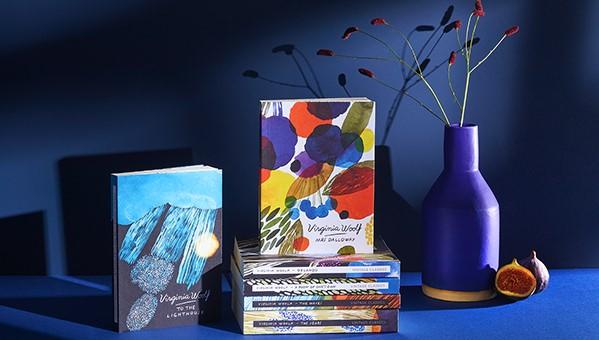
Where to start reading Virginia Woolf
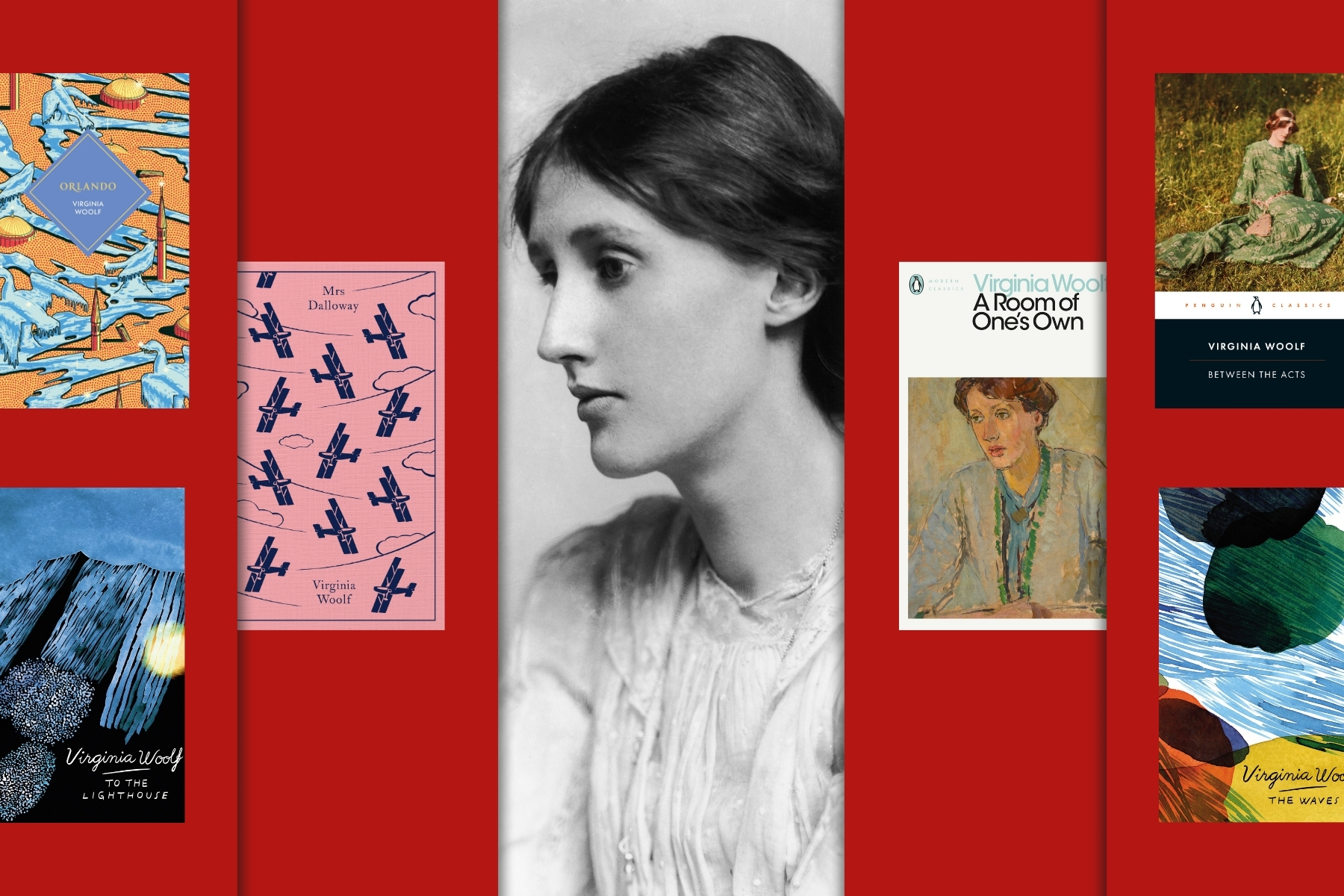
Over a century has passed since Virginia Woolf published her first essays and novels, yet she's never been more relevant. Readers discovered and re-visited Mrs Dalloway during lockdown, finding solace and reflection in its pages, and Woolf’s lyrical and thought-provoking writing has continued to resonate in bookshops and on BookTok in the years since.
Woolf's personal life has made her as much of a subject of fascination as her writing. As a central figure of the influential Bloomsbury Group, she was embroiled in their complicated and, at the time, scandalous affairs (see: her lust and longing-filled correspondence with Vita Sackville-West). Woolf has become a revered figurehead whose life and thoughts have helped shape modern ideas about feminism, sexuality and mental health.
Yet, it’s in her artfully crafted books that we most feel her indomitable spirit. If you’re new to Woolf’s work, it can be a little overwhelming knowing where to start, as she has such an extensive oeuvre. That’s where we can help. Below is our proposed Virginia Woolf reading order for beginners, starting with her most accessible book and moving onto her more experimental work.
What book should I read first?
What is considered Virginia Woolf’s best book?
The best Virginia Woolf books to read next
Frequently asked questions
Why is Virginia Woolf so famous?
Virginia Woolf is lauded as one of the 20th Century’s greatest writers, a pioneer of literary modernism and feminist thought. She’s probably best known for her innovative and experimental stream-of-consciousness writing techniques, interrogating the interior worlds of her characters whilst exploring concepts of perception, memory and time. All in all, she was a revolutionary writer whose influence is still felt today.
What is Literary Modernism?
Literary Modernism was an artistic and cultural movement in the late 19th and early 20th centuries that aimed to explore new and unique ways of representing reality and consciousness. It set itself in opposition to traditional literature, championing experimental writing that captured the intricacies of human existence – think non-linear narratives, shifting perspectives on time and character, moral ambiguity, and a greater focus on thoughts and feelings over anything more concrete. It was radical and exciting, marking a big shift in Western literature, and writers like Virginia Woolf, James Joyce and T. S. Eliot led the charge.
How should one read a book by Virginia Woolf?
When approaching a book by Virginia Woolf, the best thing to do is to set your expectations. This isn’t going to have a traditional narrative: the priority here is to explore the inner lives of the characters. Some of the sentence structures, especially in Woolf’s more experimental work, may be longer than you’re used to and can appear quite meandering. The aim here is to get a sense of perception, to capture a moment, rather than anything more definitive. In essence, go with the flow and reflect as you go.