- Imprint: Penguin
- ISBN: 9780241972106
- Length: 592 pages
- Dimensions: 198mm x 39mm x 128mm
- Weight: 404g
- Price: £12.99
The Battle of the Atlantic
How the Allies Won the War
Format:
Buy the book from:
The Battle of the Atlantic by Jonathan Dimbleby is a narrative history of the strategically crucial struggle for control of the Atlantic during the Second World War. Combining the wider military and political picture with the experiences of those involved, it explains how the campaign shaped the course of the war and ultimately made the Allied invasion of Europe possible.
About the book
Had the German U-boats succeeded in severing Britain's maritime lifeline, the consequences would have been profound: supplies would have been cut off, mass hunger threatened and Allied armies prevented from assembling for the invasion of Europe.
Drawing on contemporary diaries and letters from leaders and sailors on all sides, Dimbleby moves between high-level decisions and the realities faced by merchant seamen, escorts and submariners. He examines the evolving tactics and detection methods used in the campaign, as well as the relationship between the RAF and Royal Navy.
Alongside this human and operational history, Dimbleby challenges conventional interpretations of the use of intelligence and Churchill's bombing campaign, placing the struggle at sea within the broader developments of the Second World War.
Comparable books
If you're looking for books similar to The Battle of the Atlantic, these books also explore the Second World War through military history and personal experience, with approaches ranging from a closer focus on the Atlantic campaign to wider accounts of the war at sea and in Europe.
- Topics covered: Convoys; Lend-Lease; codebreaking and intelligence; radar; air cover; naval strategy; political and military decision-making
- Knowledge level: Some prior knowledge of the Second World War is recommended
About the book
Had the German U-boats succeeded in severing Britain's maritime lifeline, the consequences would have been profound: supplies would have been cut off, mass hunger threatened and Allied armies prevented from assembling for the invasion of Europe.
Drawing on contemporary diaries and letters from leaders and sailors on all sides, Dimbleby moves between high-level decisions and the realities faced by merchant seamen, escorts and submariners. He examines the evolving tactics and detection methods used in the campaign, as well as the relationship between the RAF and Royal Navy.
Alongside this human and operational history, Dimbleby challenges conventional interpretations of the use of intelligence and Churchill's bombing campaign, placing the struggle at sea within the broader developments of the Second World War.
Comparable books
If you're looking for books similar to The Battle of the Atlantic, these books also explore the Second World War through military history and personal experience, with approaches ranging from a closer focus on the Atlantic campaign to wider accounts of the war at sea and in Europe.
- The Battle of the Atlantic by Andrew Williams: Williams covers the same prolonged struggle for control of the Atlantic and its importance to Allied victory, with particular emphasis on the experiences of the sailors and civilians caught up in the campaign, complementing Dimbleby's broader treatment of its strategy and politics.
- The War At Sea 1939–45 by John Winton: Widening the lens from the Atlantic to the world's oceans, this anthology places the convoys and U-boat campaign within the Royal Navy's wider Second World War experience, using eyewitness testimony from the British and Commonwealth Navies, Fleet Air Arm, Merchant Navy and those serving ashore.
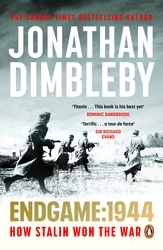
- Endgame 1944 by Jonathan Dimbleby: Dimbleby turns from the struggle at sea to the closing stages of the war in Europe, applying his military, political and diplomatic approach to the Allied advances of 1944 and the events on the Eastern Front that helped determine both Nazi Germany's defeat and the post-war settlement.
Details
All editions
- Paperback 2016
- Ebook 2015
- Audio Download 2015