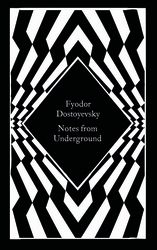
- Imprint: Vintage Classics
- ISBN: 9780099140115
- Length: 176 pages
- Dimensions: 197mm x 12mm x 129mm
- Weight: 128g
- Price: £9.99
Notes From Underground
Translated by Richard Pevear & Larissa Volokhonsky
Format:
Buy the book from:
A former official has withdrawn from society. He is sick, spiteful and alone. His confession becomes a classic of psychological and philosophical fiction.
FROM THE AWARD-WINNING TRANSLATORS RICHARD PEVEAR AND LARISSA VOLOKHONSKY
Dostoevsky’s genius is on display in this powerful existential novel.
Notes from Underground is the confession of an unnamed former civil servant in mid-nineteenth-century St Petersburg: sick, spiteful, isolated and intensely self-conscious. Speaking from his chosen separation from society, he attacks reason, progress, human perfectibility and himself.
The novella moves from bitter philosophical monologue to remembered episodes of humiliation, failed social contact and cruelty. In the Underground Man, Dostoevsky creates one of fiction’s most unsettling voices: an antihero who understands his own degradation but cannot free himself from it.
What makes Notes from Underground so disturbing is not simply the narrator’s anger, but his clarity. He sees through reason, society, sentiment and himself, turning this classic Russian novella into one of literature’s sharpest studies of alienation and self-sabotage.
Details
All editions
- Paperback 2021
- Ebook 2010