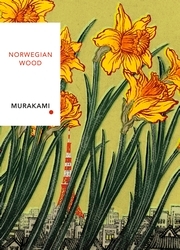
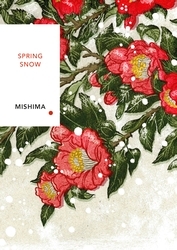
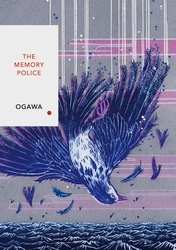
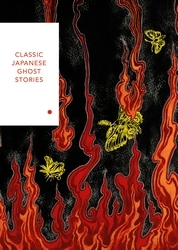
- Series: Vintage Classics Japanese Series
- Imprint: Vintage Classics
- ISBN: 9781784875435
- Length: 576 pages
- Dimensions: 189mm x 45mm x 135mm
- Weight: 496g
- Price: £14.99
The Makioka Sisters (Vintage Classics Japanese Series)
Format:
Buy the book from:
Four sisters live under the fading name of an old Osaka family. As modern Japan gathers pace, the Makioka sisters hold fast to custom, family and one another.
In the years leading up to the Second World War, four sisters live in dilapidated houses in Osaka and Ashiya, each navigating her own complex relationship to the fading lustre of the Makioka family name.
Rich with breathtaking descriptions of ancient customs and an ever-changing natural world, Junichiro Tanizaki evokes in loving detail a long-lost way of life even as it withers under the harsh glare of modernity.
At the centre are the sisters themselves, bound by family duty, private longing and the expectations of a social world already passing away. Marriage negotiations, domestic rituals, seasonal beauty and quiet disappointments become part of a larger portrait of change.
Tanizaki finds drama in the quiet pressures of domestic life. The sisters’ hopes, compromises and obligations reveal the fading power of an old Osaka family, and the beauty of customs that can no longer fully protect those who live by them.
TRANSLATED BY EDWARD SEIDENSTICKER
VINTAGE JAPANESE CLASSICS: five masterpieces of Japanese fiction in gorgeous new gift editions.
'An exquisite novel about four sisters living though a turbulent decade...I'd put it in the 10 greatest books of the 20th century' David Mitchell
'A near-perfect novel' Hanya Yanagihara