- Home
- Discover
- Children's articles
- The Ladybird early years reading timeline: how to support your child
The Ladybird early years reading timeline: how to support your child
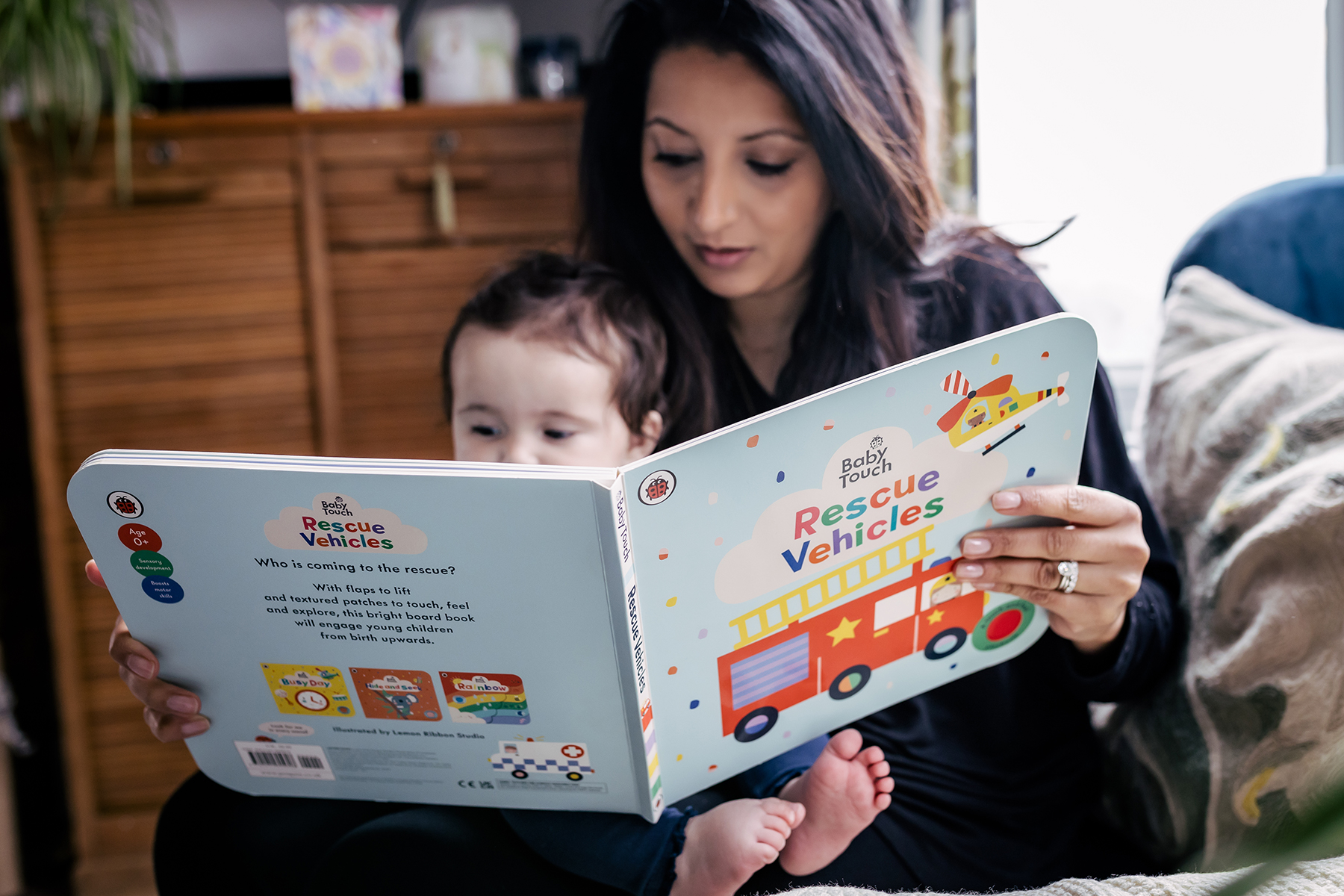
Please note that the below is a guide and every child develops differently in terms of their age, stage and ability. If you are concerned about your child’s development and learning, please speak to your doctor or health visitor.
Reading books with children is beneficial to their all-round development and learning as well as offering quality bonding time. Introducing books to your child from a young age helps them to develop life-long positive reading behaviours. Why not make reading books part of your daily routine? Enjoying this together on a regular basis will have a lasting impact and is the start of establishing a lifelong love of reading for your child.
Below you can download a PDF version of the timeline to follow and refer back to on your child's reading journey.
0-3 months
Babies recognise and love your smile and start becoming familiar with
your voice. Eye contact, singing songs and nursery rhymes on repeat will help them to recognise musical patterns.
Top tip!
If you have a local library, register your child.


3-6 months
They are beginning to move their body more, hold objects in their hands and react to different sounds. Introducing a range of fabric, bath and board books will help develop their sensory development.
Top tip!
Black and white high contrast books will be more engaging at this age, as their vision is still developing.


6-12 months
They have started to sit up and can hold books with a tight grip, exploring with their senses through taste and pictures. They will love books that are full of colour and easy-to-read.
Top tip!
Making a book that includes photographs of
their favourite grown-ups, food and things to do will help them to make connections and support their memory development.


1 year +
They might start crawling, walking or saying and copying their first words. They love it when you use funny voices when reading and books that have flaps that they can lift.
Top tip!
If you ask them where something is in a book
you have read them a few times, they may point towards it.


2 years +
They are beginning to copy words, and may
have a few favourite books they like to sing along with or join in with repeating the words. At this stage, reading can help introduce topics such as potty training.
Top tip!
When you are out and about, have a few books
on hand for them to read as it reinforces the idea that books can be read anywhere.


3 years +
They know that the print in books has meanings. They are likely to have a favourite book which they like to be read to them
often. Provide them with a range of fiction and non-fiction books that speak to their interest.
Top tip!
Books can help support your child with any feelings that they may have on topics such as
bereavement or going to the dentist.


4 – 5 years
They are beginning to read words and easy sentences. They adore funny books and will laugh out loud! Share a diverse range of books with them with positive images of different people and their communities.
Top tip!
After they have read a book, encourage them to make marks, draw or write about the book. This will help your child to build on what they have learnt and share their story with you.


