Try The Pursuit of Love by Nancy Mitford. It’s witty, sharp, and the writing style is accessible, making it easy to devour in a weekend. Set against the elegance of an English country house, the story sees Linda and her sisters on a quest to find the perfect partner – and the mishaps and stuffy suitors they meet along the way.
Penguin Modern Classics
1294 books in this series
New to Penguin Modern Classics?
Looking for a hidden gem?
Try Nothing Grows by Moonlight by Torborg Nedreaas. It's a Norwegian classic about a woman's life-destroying love, confessed to a stranger over a long night of wine and cigarettes. It’s tender and rage-inducing in equal measure, and will stay with you long after you’ve turned the last page.
Buying a gift?
Choose The Apple in the Dark by Clarice Lispector. The surreal artwork makes it the kind of book people pick up before they've even read the blurb, but the story of a man attempting to reinvent himself after committing murder means it more than lives up to first impressions.

Haunted by Harvard
Book 8 in Ved Mehta's Continents of Exile series. Nearly 50 years in the making, Continents of Exile is one of the great works of twentieth-century autobiography: the epic chronicle of an Indian family in the twentieth century. From 1930s India to 1950s Oxford and literary New York in the 1960s-80s, this is the story of the post-colonial twentieth century, as uniquely experienced and vividly recounted by Ved Mehta.
Veritas continues Mehta's journey through education: this time as a Ph.D. student and Residential Fellow at Harvard. His experience illustrates the dramatic changes in institutional habits and behaviour that were to take places in the late 1960s, as well as how dramatically out-of-touch many senior lecturers were to the societal mood around them.
Veritas continues Mehta's journey through education: this time as a Ph.D. student and Residential Fellow at Harvard. His experience illustrates the dramatic changes in institutional habits and behaviour that were to take places in the late 1960s, as well as how dramatically out-of-touch many senior lecturers were to the societal mood around them.

Sound-Shadows of the New World
Book 5 in Ved Mehta's Continents of Exile series. Nearly 50 years in the making, Continents of Exile is one of the great works of twentieth-century autobiography: the epic chronicle of an Indian family in the twentieth century. From 1930s India to 1950s Oxford and literary New York in the 1960s-80s, this is the story of the post-colonial twentieth century, as uniquely experienced and vividly recounted by Ved Mehta.
In 1949, fifteen-year-old Ved Mehta -- blind since the age of four -- left his native India and travelled alone to a school for the blind in Arkansas, USA. For the next three years he studied with over a hundred blind or partially sighted children at the school. Here, he would learn how to deal with Western teachers, date girls, and begin to perceive objects by means of 'sound-shadows'. Sound-Shadows of the New World brilliantly traces the emigrant experience amid the difficult transition from adolescence into adulthood.
In 1949, fifteen-year-old Ved Mehta -- blind since the age of four -- left his native India and travelled alone to a school for the blind in Arkansas, USA. For the next three years he studied with over a hundred blind or partially sighted children at the school. Here, he would learn how to deal with Western teachers, date girls, and begin to perceive objects by means of 'sound-shadows'. Sound-Shadows of the New World brilliantly traces the emigrant experience amid the difficult transition from adolescence into adulthood.
The Stolen Light
Book 6 in Ved Mehta's Continents of Exile series. Nearly 50 years in the making, Continents of Exile is one of the great works of twentieth-century autobiography: the epic chronicle of an Indian family in the twentieth century. From 1930s India to 1950s Oxford and literary New York in the 1960s-80s, this is the story of the post-colonial twentieth century, as uniquely experienced and vividly recounted by Ved Mehta.
The Stolen Light engages with the particular difficulties of Mehta's experience: he was blind in a college made for the seeing, he was an Indian in the United States, a Hindu in a Christian environment, a dark-skinned man surrounded by white people. With compelling honesty and humour, Mehta describes his struggles to live an ordinary university life - dating, riding a bicycle, keeping up with his studies - while dealing with incredible obstacles.
The Stolen Light engages with the particular difficulties of Mehta's experience: he was blind in a college made for the seeing, he was an Indian in the United States, a Hindu in a Christian environment, a dark-skinned man surrounded by white people. With compelling honesty and humour, Mehta describes his struggles to live an ordinary university life - dating, riding a bicycle, keeping up with his studies - while dealing with incredible obstacles.
Up at Oxford
Book 2 in Ved Mehta's Continents of Exile series. Nearly 50 years in the making, Continents of Exile is one of the great works of twentieth-century autobiography: the epic chronicle of an Indian family in the twentieth century. From 1930s India to 1950s Oxford and literary New York in the 1960s-80s, this is the story of the post-colonial twentieth century, as uniquely experienced and vividly recounted by Ved Mehta.
After studying in the United States, Mehta - blind since childhood - achieves his dream of enrolling at the University of Oxford: a place that has consumed his imagination ever since he was a small boy growing up under the British Raj. In Up at Oxford, Mehta recalls the nuances of his conversations, the range of his youthful emotions, and the sounds, smells, and tastes of university life. Along the way he draws memorable portraits of, among others, novelists, poets, scholars, and peers.
After studying in the United States, Mehta - blind since childhood - achieves his dream of enrolling at the University of Oxford: a place that has consumed his imagination ever since he was a small boy growing up under the British Raj. In Up at Oxford, Mehta recalls the nuances of his conversations, the range of his youthful emotions, and the sounds, smells, and tastes of university life. Along the way he draws memorable portraits of, among others, novelists, poets, scholars, and peers.
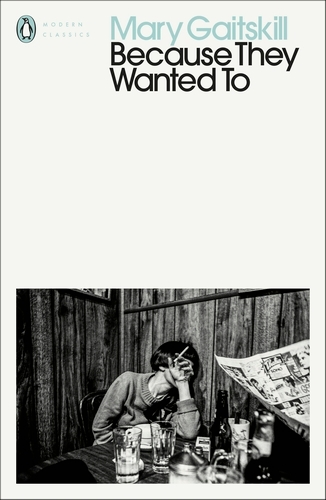
Because They Wanted To
First published in the late 1990s and a bestseller at the time, this incisive collection of short stories explores connection and disconnection in families, between ex-lovers and friends. From a father reflecting on the daughter whose lesbianism he cannot accept, to two people who were once young together stumbling over the foundations of their past, inside are twelve portraits of heart-rending emotional intimacy and the delicacy of relationships. Because They Wanted To is a perfectly formed set of stories about alienation in modern times.
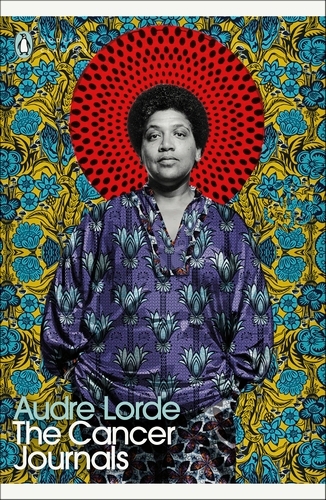
The Cancer Journals
I would never have chosen this path, but I am very glad to be who I am, here.
The Cancer Journals is an intimate, poetic and invigorating account of the experience of breast cancer, from biopsy to mastectomy, told by the great feminist and activist Audre Lorde. Moving between journal entry, memoir, and essay, Lorde fuses the personal and political to reflect on the many questions breast cancer raises: questions of survival, sexuality, prosthesis and self-care. It is a journey of survival, friendship, and self-acceptance.
Grief, terror, courage, the passion for survival and for more than survival, are here in the searchings of a great poet. Adrienne Rich
This book teaches me that with one breast or none, I am still me Alice Walker
The Cancer Journals is an intimate, poetic and invigorating account of the experience of breast cancer, from biopsy to mastectomy, told by the great feminist and activist Audre Lorde. Moving between journal entry, memoir, and essay, Lorde fuses the personal and political to reflect on the many questions breast cancer raises: questions of survival, sexuality, prosthesis and self-care. It is a journey of survival, friendship, and self-acceptance.
Grief, terror, courage, the passion for survival and for more than survival, are here in the searchings of a great poet. Adrienne Rich
This book teaches me that with one breast or none, I am still me Alice Walker
Daddyji
Book 1 in Ved Mehta's Continents of Exile series. Nearly 50 years in the making, Continents of Exile is one of the great works of twentieth-century autobiography: the epic chronicle of an Indian family in the twentieth century. From 1930s India to 1950s Oxford and literary New York in the 1960s-80s, this is the story of the post-colonial twentieth century, as uniquely experienced and vividly recounted by Ved Mehta.
On its surface, Daddyji serves as a lucid biographical portrait of Amolak Ram Mehta, an esteemed Indian public servant, written by his son. But as Ved Mehta's story unwinds, it becomes apparent that something else is being recreated - the intricacies and intimacies of a lost world, of pre-Partition Lahore.
On its surface, Daddyji serves as a lucid biographical portrait of Amolak Ram Mehta, an esteemed Indian public servant, written by his son. But as Ved Mehta's story unwinds, it becomes apparent that something else is being recreated - the intricacies and intimacies of a lost world, of pre-Partition Lahore.
Ledge Between the Streams
Book 4 in Ved Mehta's Continents of Exile series. Nearly 50 years in the making, Continents of Exile is one of the great works of twentieth-century autobiography: the epic chronicle of an Indian family in the twentieth century. From 1930s India to 1950s Oxford and literary New York in the 1960s-80s, this is the story of the post-colonial twentieth century, as uniquely experienced and vividly recounted by Ved Mehta.
Set against the distant storm of the Second World War and the waning light of British Raj, Ved Mehta's brilliant memoir Ledge Between the Streams tells of an Indian childhood and the coming to terms with growing blindness: how, despite his disability, he learned English, Braille, horseback riding, bicycling, touch typing, and roller skating.
Set against the distant storm of the Second World War and the waning light of British Raj, Ved Mehta's brilliant memoir Ledge Between the Streams tells of an Indian childhood and the coming to terms with growing blindness: how, despite his disability, he learned English, Braille, horseback riding, bicycling, touch typing, and roller skating.
Mamaji
Book 2 in Ved Mehta's Continents of Exile series. Nearly 50 years in the making, Continents of Exile is one of the great works of twentieth-century autobiography: the epic chronicle of an Indian family in the twentieth century. From 1930s India to 1950s Oxford and literary New York in the 1960s-80s, this is the story of the post-colonial twentieth century, as uniquely experienced and vividly recounted by Ved Mehta.
Translating individual experience into the universal, Mehta recounts the story of his mother's arranged marriage to a British-trained doctor and, by extension, of an ancient Indian family's struggle to find its place in a modern, rapidly changing world.
Translating individual experience into the universal, Mehta recounts the story of his mother's arranged marriage to a British-trained doctor and, by extension, of an ancient Indian family's struggle to find its place in a modern, rapidly changing world.
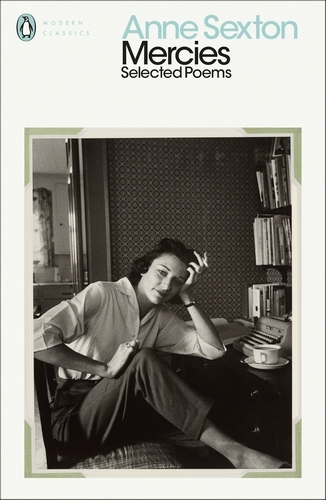
Mercies
When Anne Sexton took her own life in October 1974, she left behind a body of work which had already, in less than two decades of writing, won her the Pulitzer Prize for Poetry, established her as one of the foremost voices of her generation, and shocked America by breaking multiple taboos of subject matter, from insanity, depression and addiction to menstruation, adultery and the figure of the witch.
Sexton's name is legendary. Her poetry is read around the world, translated into over thirty languages, and in her own country remains a touchstone for poets and readers looking for rawness of perception, vitality of expression, confessional frankness and fiery passion. Yet, incredibly, there has been no new UK edition of her work for decades. In Mercies, readers are provided with a resonant new selection from the writings of this natural phenomenon of a poet.
Sexton's name is legendary. Her poetry is read around the world, translated into over thirty languages, and in her own country remains a touchstone for poets and readers looking for rawness of perception, vitality of expression, confessional frankness and fiery passion. Yet, incredibly, there has been no new UK edition of her work for decades. In Mercies, readers are provided with a resonant new selection from the writings of this natural phenomenon of a poet.
Vedi
Book 3 in Ved Mehta's Continents of Exile series. Nearly 50 years in the making, Continents of Exile is one of the great works of twentieth-century autobiography: the epic chronicle of an Indian family in the twentieth century. From 1930s India to 1950s Oxford and literary New York in the 1960s-80s, this is the story of the post-colonial twentieth century, as uniquely experienced and vividly recounted by Ved Mehta.
Ved continues the story of Ved Mehta's two earlier memoirs, Daddyji, a biographical portrait of his father, and Mamaji, an exploration of his mother and her history. The focus here turns toward Mehta's childhood, his education in an Indian orphanage for the blind, and the general experience of blind people in India.
Ved continues the story of Ved Mehta's two earlier memoirs, Daddyji, a biographical portrait of his father, and Mamaji, an exploration of his mother and her history. The focus here turns toward Mehta's childhood, his education in an Indian orphanage for the blind, and the general experience of blind people in India.
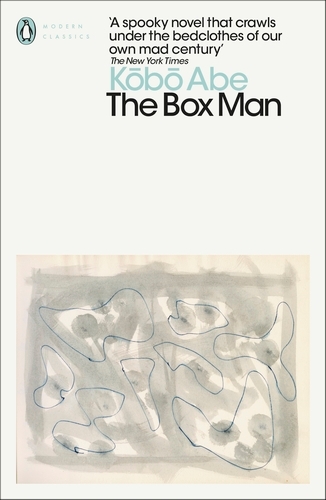
The Box Man
'This is the record of a box man'
The streets of Tokyo have been seeing a strange phenomenon recently - people who have decided to live their lives in a box on the street. Behind their cut-out eyeholes, they sit and watch from behind their four cardboard walls. Our nameless narrator, at first repulsed by the box men, slowly becomes drawn in to the anonymity and voyeuristic life inside a box. As his identity slowly slips away and he becomes obsessed with watching an intriguing young nurse, we too become privy to the schizophrenic and seductive unreality of a box man's life.
The streets of Tokyo have been seeing a strange phenomenon recently - people who have decided to live their lives in a box on the street. Behind their cut-out eyeholes, they sit and watch from behind their four cardboard walls. Our nameless narrator, at first repulsed by the box men, slowly becomes drawn in to the anonymity and voyeuristic life inside a box. As his identity slowly slips away and he becomes obsessed with watching an intriguing young nurse, we too become privy to the schizophrenic and seductive unreality of a box man's life.
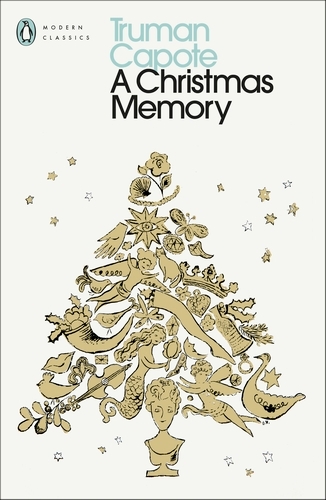
A Christmas Memory
Selected from across Capote's writing life, the stories range from nostalgic portraits of childhood to more unsettling works that reveal the darkness beneath the festive glitter. In the Deep South of Capote's youth, a young boy, Buddy, and his beloved maiden 'aunt' Sook forage for pecans and whisky to bake into fruitcakes, make kites - too broke to buy gifts - and rise before dawn to prepare feasts for a ragged assembly of guests; it is Sook who teaches Buddy the true meaning of goodwill. In other stories, an unlikely festive miracle, of sorts, occurs at a local drugstore; an eccentric young girl dreams of Hollywood; and a lonely woman has a troubling encounter in wintry New York. Brimming with feeling, these sparkling tales convey both the wonder and the chill of Christmas time.
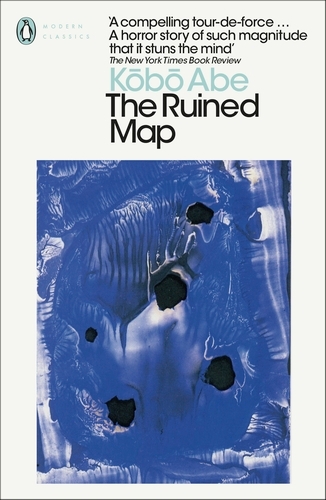
The Ruined Map
Mr Nemuro, a respected salesman, disappeared over half a year ago, but only now does his alluring yet alcoholic wife hire a private eye. The nameless detective has but two clues: a photo and a matchbook. With these, he embarks upon an ever-more-puzzling pursuit that leads him into the depths of Tokyo's dangerous underworld, where he begins to lose the boundaries of his own identity. Surreal, fast-paced and hauntingly dreamlike, Abe's masterly novel delves into the unknowable mysteries of the human mind.
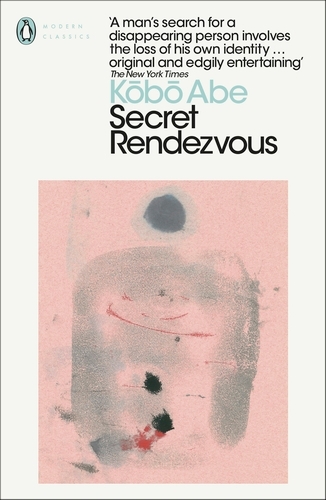
Secret Rendezvous
In Tokyo, in the middle of the night, an uncalled-for ambulance arrives to spirit away a man's wife, though she is perfectly healthy. He sets out on an epic journey to find her, around the labyrinthine corners of a strange and enormous hospital. Days into his search, having encountered countless strange characters, odd sexual experiments and the unmistakable feeling of being watched, he is suddenly appointed to be the hospital's chief of security, and his new boss is convinced that he is a horse. Throughout it all, he will never stop searching for his wife.
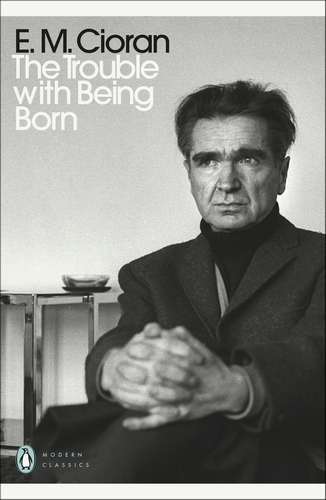
The Trouble With Being Born
'Not to be born is undoubtedly the best plan of all. Unfortunately it is within no one's reach.'
In The Trouble With Being Born, E. M. Cioran grapples with the major questions of human existence: birth, death, God, the passing of time, how to relate to others and how to make ourselves get out of bed in the morning.
In a series of interlinking aphorisms which are at once pessimistic, poetic and extremely funny, Cioran finds a kind of joy in his own despair, revelling in the absurdity and futility of our existence, and our inability to live in the world.
Translated by Pulitzer Prize-winning poet and critic Richard Howard, The Trouble With Being Born is a provocative, illuminating testament to a singular mind.
In The Trouble With Being Born, E. M. Cioran grapples with the major questions of human existence: birth, death, God, the passing of time, how to relate to others and how to make ourselves get out of bed in the morning.
In a series of interlinking aphorisms which are at once pessimistic, poetic and extremely funny, Cioran finds a kind of joy in his own despair, revelling in the absurdity and futility of our existence, and our inability to live in the world.
Translated by Pulitzer Prize-winning poet and critic Richard Howard, The Trouble With Being Born is a provocative, illuminating testament to a singular mind.
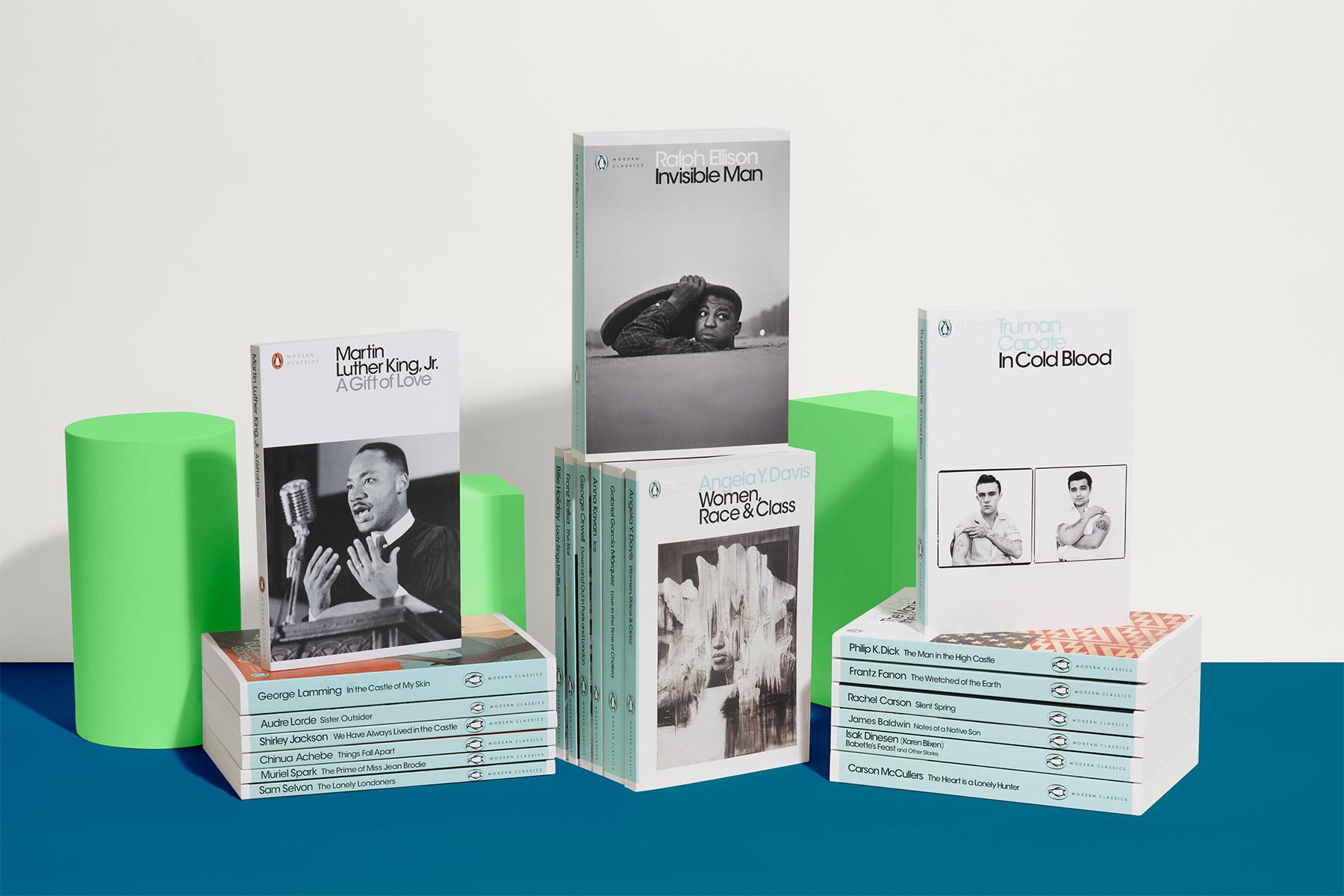
Collect the Penguin Modern Classics
Choose three Penguin Modern Classics for only £21 over on the Penguin Shop.