Inspector Maigret
by75 books in this series
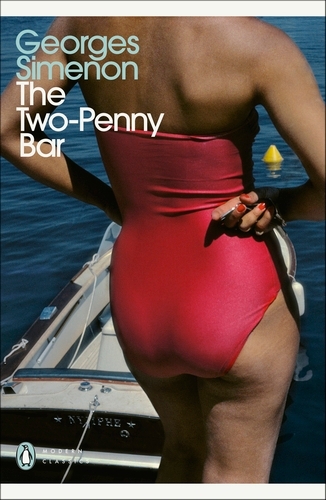
The Two-Penny Bar
We saw a door opening ahead of us. There was a car parked by the roadside. This guy came out pushing another guy in front of him. No, not pushing. Imagine you're carrying a shop dummy and trying to make it look like it's your friend walking next to you. He put him in the car and got into the driver's seat . . . The guy drove all over the place. He seemed to be looking for something, but seemed to keep losing his way. In the end, we realized what he'd been looking for.
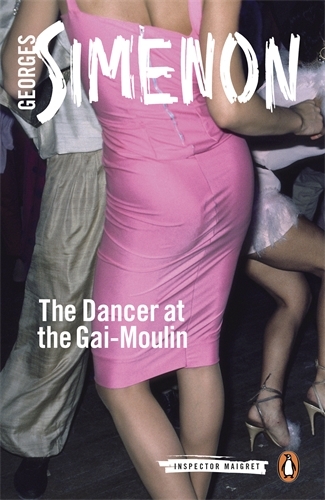
The Dancer at the Gai-Moulin
A vast emptiness. The room, in the darkness, seemed big as a cathedral. Warm currents of air still drifted from the radiators.
Delfosse struck a match. They paused for a moment to take a breath and get their bearings. And suddenly the match dropped. A piercing shriek came from Delfosse . . . Chabot saw something too.
Maigret observes from a distance as two boys are accused of killing a rich foreigner in Liège. Their loyalty, which binds them together through their adventures in the seedier side of the city, is put to the test and seemingly irrelevant social differences threaten their friendship.
Delfosse struck a match. They paused for a moment to take a breath and get their bearings. And suddenly the match dropped. A piercing shriek came from Delfosse . . . Chabot saw something too.
Maigret observes from a distance as two boys are accused of killing a rich foreigner in Liège. Their loyalty, which binds them together through their adventures in the seedier side of the city, is put to the test and seemingly irrelevant social differences threaten their friendship.

A Man's Head
The Czech was warming up, though in a quiet, almost dull way that was characteristic of the man. Out of the corner of his eye, Maigret noticed his hands, long hands, astonishingly white and slightly freckled. They seemed to warm up to the subject too, and to take part in the conversation.
Maigret sets out to prove the innocence of a man condemned to death for a brutal murder. As his unconventional and audacious plan to uncover the truth unfolds, he encounters rich American expatriates, some truly dangerous characters and their hidden motives.
Maigret sets out to prove the innocence of a man condemned to death for a brutal murder. As his unconventional and audacious plan to uncover the truth unfolds, he encounters rich American expatriates, some truly dangerous characters and their hidden motives.
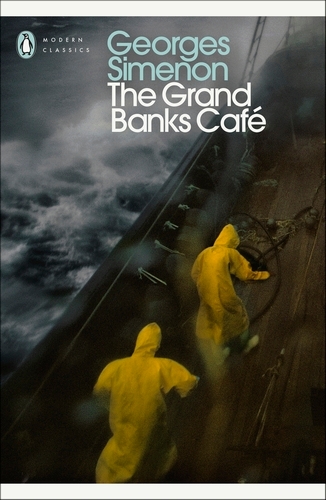
The Grand Banks Café
It was indeed a photo, a picture of a woman. But the face was completely hidden, scribbled all over in red ink. Someone had tried to obliterate the head, someone very angry. The pen had bitten into the paper. There were so many criss-crossed lines that not a single square millimetre had been left visible.
On the other hand, below the head, the torso had not been touched. A pair of large breasts. A light-coloured silk dress, very tight and very low cut.
Sailors don't talk much to other men, especially not to policemen. But after Captain Fallut's body is found floating near his trawler, they all mention the Evil Eye when they speak of the Ocean's voyage.
On the other hand, below the head, the torso had not been touched. A pair of large breasts. A light-coloured silk dress, very tight and very low cut.
Sailors don't talk much to other men, especially not to policemen. But after Captain Fallut's body is found floating near his trawler, they all mention the Evil Eye when they speak of the Ocean's voyage.
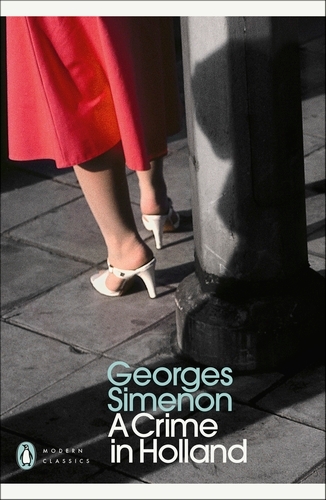
A Crime in Holland
'Just take a look,' Duclos said in an undertone, pointing to the scene all round them, the picture-book town, with everything in its place, like ornaments on the mantlepiece of a careful housewife . . . 'Everyone here earns his living. Everyone's more or less content. And above all, everyone keeps his instincts under control, because that's the rule here, and a necessity if people want to live in society'
When a French professor visiting the quiet, Dutch coastal town of Delfzjil is accused of murder, Maigret is sent to investigate. The community seem happy to blame an unknown outsider, but there are people much closer to home who seem to know much more than they're letting on: Beetje, the dissatisfied daughter of a local farmer, Any van Elst, sister-in-law of the deceased and, of course a notorious local crook.
When a French professor visiting the quiet, Dutch coastal town of Delfzjil is accused of murder, Maigret is sent to investigate. The community seem happy to blame an unknown outsider, but there are people much closer to home who seem to know much more than they're letting on: Beetje, the dissatisfied daughter of a local farmer, Any van Elst, sister-in-law of the deceased and, of course a notorious local crook.
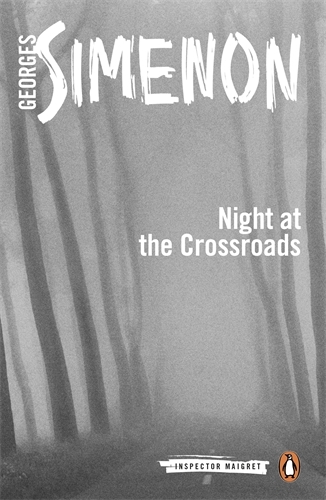
Night at the Crossroads
'She came forward, the outlines of her figure blurred in the half-light. She came forward like a film star, or rather like the ideal woman in an adolescent's dream. 'I gather you wish to talk to me, Inspector . . . but first of all please sit down . . .' Her accent was more pronounced than Carl's. Her voice sang, dropping on the last syllable of the longer words.'
Maigret has been interrogating Carl Andersen for seventeen hours without a confession. He's either innocent or a very good liar. So why was the body of a diamond merchant found at his isolated mansion? Why is his sister always shut away in her room? And why does everyone at Three Widows Crossroads have something to hide?
Maigret has been interrogating Carl Andersen for seventeen hours without a confession. He's either innocent or a very good liar. So why was the body of a diamond merchant found at his isolated mansion? Why is his sister always shut away in her room? And why does everyone at Three Widows Crossroads have something to hide?

The Yellow Dog
'There was an exaggerated humility about her. And yet he sensed, beneath that image, glints of pride held firmly in check. She was anaemic. Her flat chest was not formed to rouse desire. Nevertheless, she was strangely appealing, perhaps because she seemed troubled, despondent, sickly.'
In the coastal town of Concarneau, a local wine merchant is shot. Maigret soon realizes that Emma, a downtrodden waitress, is hiding something and that the mysterious yellow dog lurking around town may be the key to solving this crime.
In the coastal town of Concarneau, a local wine merchant is shot. Maigret soon realizes that Emma, a downtrodden waitress, is hiding something and that the mysterious yellow dog lurking around town may be the key to solving this crime.

The Carter of 'La Providence'
What was the woman doing here?
In a stable, wearing pearl earrings, her stylish bracelet and white buckskin shoes!
She must have been alive when she got there because the crime had been committed after 10 in the evening.
But how? And why? And no one had heard a thing! She had not screamed. The two carters had not woken up.
If the whip had not been mislaid, it was likely the body might not have been discovered for a couple of weeks or a month, by chance when someone turned over the straw.
And other carters passing through would have snored the night away next to a woman's corpse!
These questions lead Maigret into an unfamiliar world of canals, with its run down cafés, shadowy towpaths and eccentric inhabitants.
In a stable, wearing pearl earrings, her stylish bracelet and white buckskin shoes!
She must have been alive when she got there because the crime had been committed after 10 in the evening.
But how? And why? And no one had heard a thing! She had not screamed. The two carters had not woken up.
If the whip had not been mislaid, it was likely the body might not have been discovered for a couple of weeks or a month, by chance when someone turned over the straw.
And other carters passing through would have snored the night away next to a woman's corpse!
These questions lead Maigret into an unfamiliar world of canals, with its run down cafés, shadowy towpaths and eccentric inhabitants.
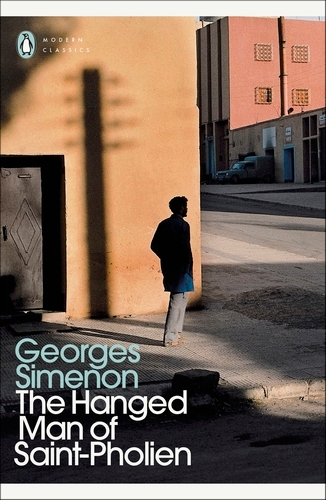
The Hanged Man of Saint-Pholien
A first ink drawing showed a hanged man swinging from a gallows on which perched an enormous crow. And hanging was the leitmotif of at least twenty other etchings and pen or pencil sketches.
On the edge of a forest: a man hanging from every branch.
A church steeple: beneath the rooster atop the weather vane, a human body dangled from each arm of the cross . . . below another sketch were written four lines from Villon's Ballade des Pendus.
On a trip to Brussels, Maigret unwittingly causes a man's suicide, but his own remorse is overshadowed by the discovery of the sordid events that drove the desperate man to shoot himself.
On the edge of a forest: a man hanging from every branch.
A church steeple: beneath the rooster atop the weather vane, a human body dangled from each arm of the cross . . . below another sketch were written four lines from Villon's Ballade des Pendus.
On a trip to Brussels, Maigret unwittingly causes a man's suicide, but his own remorse is overshadowed by the discovery of the sordid events that drove the desperate man to shoot himself.
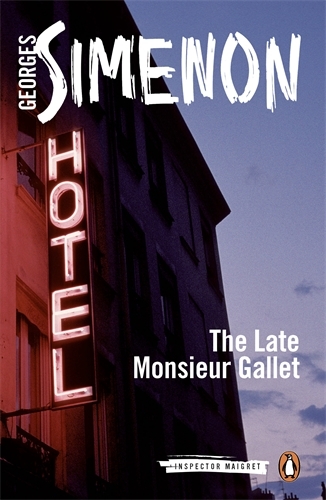
The Late Monsieur Gallet
Instead of the detail filling itself in and becoming clearer, it seemed to escape him. The face of the man in the ill-fitting coat just misted up so that it hardly looked human. In theory this mental portrait was good enough, but now it was replaced by fleeting images which should have added up to one and the same man but which refused to get themselves into focus.
The circumstances of Monsieur Gallet's death all seem fake: the name the deceased was travelling under and his presumed profession, and more worryingly, his family's grief. Their haughtiness seems to hide ambiguous feelings about the hapless man. In this haunting story, Maigret discovers the appalling truth and the real crime hidden behind the surface of lies.
The circumstances of Monsieur Gallet's death all seem fake: the name the deceased was travelling under and his presumed profession, and more worryingly, his family's grief. Their haughtiness seems to hide ambiguous feelings about the hapless man. In this haunting story, Maigret discovers the appalling truth and the real crime hidden behind the surface of lies.
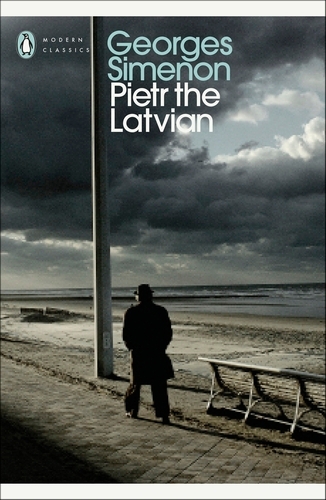
Pietr the Latvian
'What he sought, what he waited and watched out for was the crack in the wall. In other words, the instant when the human being comes out from behind the opponent . . .'
Who is Pietr the Latvian? Is he a gentleman thief? A Russian drinking absinthe in a grimy bar? A married Norwegian sea captain? A twisted corpse in a train toilet? Or is he all of these men? In Simenon's first novel featuring Maigret, the laconic detective is taken from grimy dive bars to luxury hotels as he solves this strange enigma.
Who is Pietr the Latvian? Is he a gentleman thief? A Russian drinking absinthe in a grimy bar? A married Norwegian sea captain? A twisted corpse in a train toilet? Or is he all of these men? In Simenon's first novel featuring Maigret, the laconic detective is taken from grimy dive bars to luxury hotels as he solves this strange enigma.