Try The Pursuit of Love by Nancy Mitford. It’s witty, sharp, and the writing style is accessible, making it easy to devour in a weekend. Set against the elegance of an English country house, the story sees Linda and her sisters on a quest to find the perfect partner – and the mishaps and stuffy suitors they meet along the way.
Penguin Modern Classics
1289 books in this series
New to Penguin Modern Classics?
Looking for a hidden gem?
Try Nothing Grows by Moonlight by Torborg Nedreaas. It's a Norwegian classic about a woman's life-destroying love, confessed to a stranger over a long night of wine and cigarettes. It’s tender and rage-inducing in equal measure, and will stay with you long after you’ve turned the last page.
Buying a gift?
Choose The Apple in the Dark by Clarice Lispector. The surreal artwork makes it the kind of book people pick up before they've even read the blurb, but the story of a man attempting to reinvent himself after committing murder means it more than lives up to first impressions.
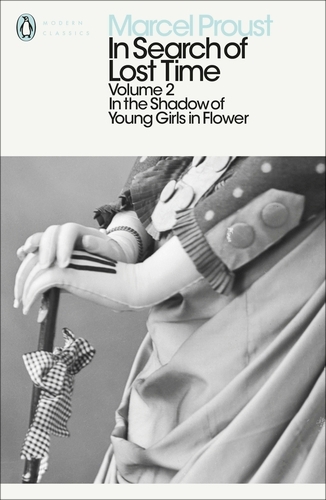
In Search of Lost Time: Volume 2
Since the original, prewar translation there has been no completely new rendering of the French original into English. This translation brings to the fore a more sharply engaged, comic and lucid Proust. IN SEARCH OF LOST TIME is one of the greatest, most entertaining reading experiences in any language. As the great story unfolds from its magical opening scenes to its devastating end, it is the Penguin Proust that makes Proust accessible to a new generation.
Each book is translated by a different, superb translator working under the general editorship of Professor Christopher Prendergast, University of Cambridge.
Each book is translated by a different, superb translator working under the general editorship of Professor Christopher Prendergast, University of Cambridge.
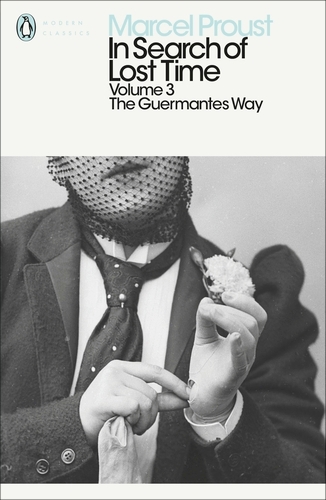
In Search of Lost Time: Volume 3
Since the original prewar translation there has been no completely new rendering of the French original into English. This translation brings to the fore a more sharply engaged, comic and lucid Proust. IN SEARCH OF LOST TIME is one of the greatest,most entertaining reading experiences in any language. As the great story unfolds from its magical opening scenes to its devastating end, it is the Penguin Proust that makes Proust accessible to a new generation.
Each volume is translated by a different, superb translator working under the general editorship of Professor Christopher Prendergast, University of Cambridge.
Each volume is translated by a different, superb translator working under the general editorship of Professor Christopher Prendergast, University of Cambridge.
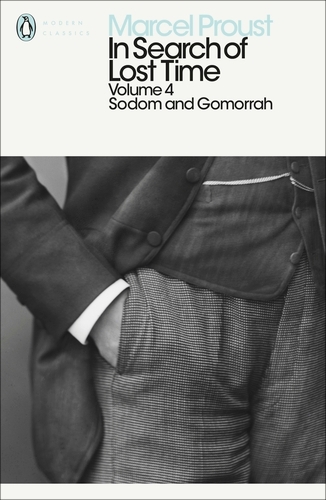
In Search of Lost Time: Volume 4
Since the original, prewar translation there has been no completely new rendering of the French original into English. This translation brings to the fore a more sharply engaged, comic and lucid Proust. IN SEARCH OF LOST TIME is one of the greatest, most enjoyable reading experiences in any language. As the great story unfolds from its magical opening scenes to its devastating end, it is the Penguin Proust that makes Proust accessible to a new generation.
Each book is translated by a different, superb translator working under the general editorship of Professor Christopher Prendergast.
Each book is translated by a different, superb translator working under the general editorship of Professor Christopher Prendergast.

In Search of Lost Time: Volume 5
Since the original, prewar translation there has been no completely new rendering of the French original into English. This translation brings to the fore a more sharply engaged, comic and lucid Proust. IN SEARCH OF LOST TIME is one of the greatest, most entertaining reading experiences in any language. As the great story unfolds from its magical opening scenes to its devastating end, it is the Penguin Proust that makes Proust accessible to a new generation.
Each book is translated by a different, superb translator working under the general editorship of Professor Christopher Prendergast, University of Cambridge.
Each book is translated by a different, superb translator working under the general editorship of Professor Christopher Prendergast, University of Cambridge.
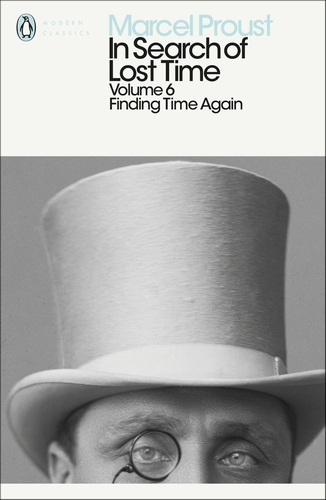
In Search of Lost Time: Volume 6
Since the original, prewar translation there has been no completely new rendering of the French original into English. This translation brings to the fore a more sharply engaged, comic and lucid Proust. IN SEARCH OF LOST TIME is one of the greatest, most entertaining reading experiences in any language. As the great story unfolds from its magical opening scenes to its devastating end, it is the Penguin Proust that makes Proust accessible to a new generation.
Each book is translated by a different, superb translator working under the general editorship of Professor Christopher Prendergast, University of Cambridge.
Each book is translated by a different, superb translator working under the general editorship of Professor Christopher Prendergast, University of Cambridge.
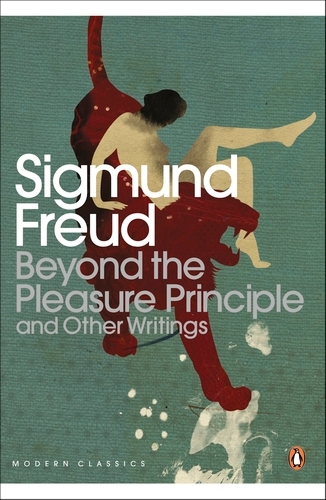
Beyond the Pleasure Principle
A collection of some of Freud's most famous essays, including ON THE INTRODUCTION OF NARCISSISM; REMEMBERING, REPEATING AND WORKING THROUGH; BEYOND THE PLEASURE PRINCIPLE; THE EGO AND THE ID and INHIBITION, SYMPTOM AND FEAR.
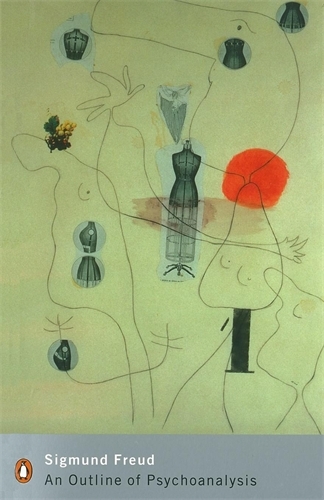
An Outline of Psychoanalysis
One of fifteen volumes in the new Freud series commissioned for Penguin by series editor Adam Phillips. Part of a plan to generate a new, non-specialist Freud for a wide readership, which goes way beyond the institutional/clinical market and presents material to the reader in a new way.
This volume will contain NEW INTRODUCTORY LECTURES IN PSYCHOANALYSIS and AN OUTLINE OF PSYCHOANALYSIS.
This volume will contain NEW INTRODUCTORY LECTURES IN PSYCHOANALYSIS and AN OUTLINE OF PSYCHOANALYSIS.
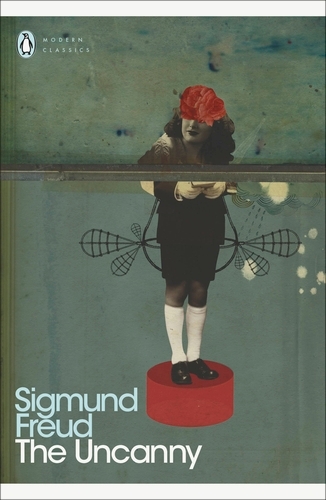
The Uncanny
An extraordinary collection of thematically linked essays, including THE UNCANNY, SCREEN MEMORIES and FAMILY ROMANCES.
Leonardo da Vinci fascinated Freud primarily because he was keen to know why his personality was so incomprehensible to his contemporaries. In this probing biographical essay he deconstructs both da Vinci's character and the nature of his genius. As ever, many of his exploratory avenues lead to the subject's sexuality - why did da Vinci depict the naked human body the way hedid? What of his tendency to surround himself with handsome young boys that he took on as his pupils? Intriguing, thought-provoking and often contentious, this volume contains some of Freud's best writing.
Leonardo da Vinci fascinated Freud primarily because he was keen to know why his personality was so incomprehensible to his contemporaries. In this probing biographical essay he deconstructs both da Vinci's character and the nature of his genius. As ever, many of his exploratory avenues lead to the subject's sexuality - why did da Vinci depict the naked human body the way hedid? What of his tendency to surround himself with handsome young boys that he took on as his pupils? Intriguing, thought-provoking and often contentious, this volume contains some of Freud's best writing.
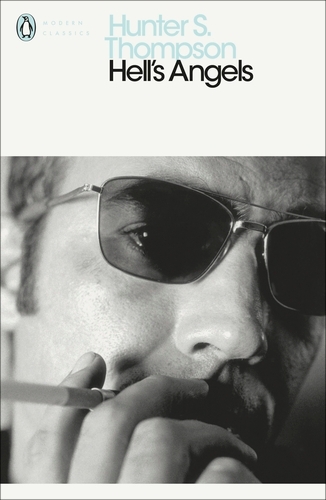
Hell's Angels
'A phalanx of motorcycles cam roaring over the hill from the west ... the noise was like a landslide, or a wing of bombers passing over. Even knowing the Angels I couldn't quite handle what I was seeing.' Huge bikes, filthy denim and an aura of barely contained violence; the Hell's Angels could paralyse whole towns with fear, so terrible was their reputation. But how much of htat reputation was myth and how much was brutal reality? Only one man could discover the truth about these latter-day barbarians; Hunter Stockton Thompson, Dr Gonzo himself, the man who saw the fear and loathing in the heart of the American dream. This counter-culture classic is the hair-raising result.
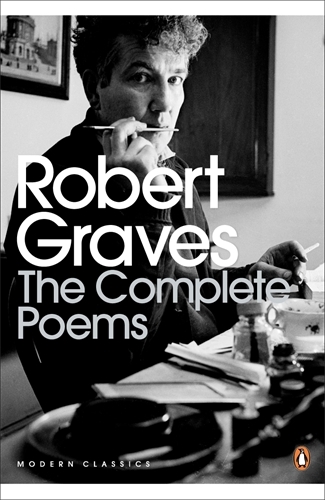
The Complete Poems
Graves described poetry as his ruling passion, and for him love was 'the main theme and origin of true poems'. He created a rich mythology where love, fear, fantasy and the supernatural play an essential role. Intimate yet universal, passionate yet precise, their brilliant alchemy of realism and magic made Graves's poems some of the finest of the last century. In this edition the poems appear without critical apparatus or commentary. The volume represents in its purest form the achievement of Graves's seventy productive years.
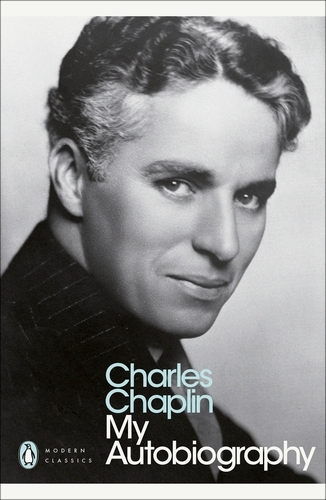
My Autobiography
Born into a theatrical family, Chaplin's father died of drink while his mother, unable to bear the poverty, suffered from bouts of insanity, Chaplin embarked on a film-making career which won him immeasurable success, as well as intense controversy. His extraordinary autobiography was first published in 1964 and was written almost entirely without reference to documentation - simply as an astonishing feat of memory by a 75 year old man. It is an incomparably vivid reconstruction of a poor London childhood, the music hall and then his prodigious life in the movies.
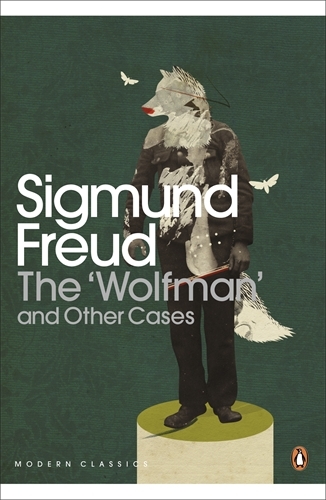
The 'Wolfman' and Other Cases
The new Penguin Freud, under Adam Phillips' general editorship, offers a fantastic opportunity to see Freud in a fresh light.
This endlessly beguiling, suggestive, thought-provoking writer can be appreciated nowhere more vividly than in The Case Histories: 'Little Hans', 'The Rat Man', 'The Wolf Man' and 'Some Character Types Met within Psychoanalytic Work.'
This endlessly beguiling, suggestive, thought-provoking writer can be appreciated nowhere more vividly than in The Case Histories: 'Little Hans', 'The Rat Man', 'The Wolf Man' and 'Some Character Types Met within Psychoanalytic Work.'
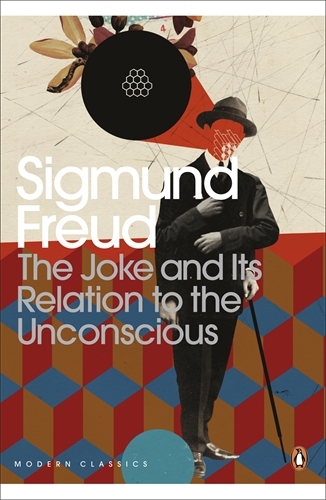
The Joke and Its Relation to the Unconscious
Building on the crucial insight that jokes use many of the same mechanisms he had already discovered in dreams, Freud developed one of the richest and most comprehensive theories of humour that has ever been produced.
Jokes, he argues, provide immense pleasure by allowing us to express many of our deepest sexual, aggressive and cynical thoughts and feelings which would otherwise remain repressed. In elaborating this central thesis, he brings together a dazzling set of puns, anecdotes, snappyone-liners, spoonerisms and beloved stories of Jewish beggars and marriage-brokers. Many remain highly amusing, while others throw a vivid light on the lost world of early twentieth-century Vienna.
Jokes, he argues, provide immense pleasure by allowing us to express many of our deepest sexual, aggressive and cynical thoughts and feelings which would otherwise remain repressed. In elaborating this central thesis, he brings together a dazzling set of puns, anecdotes, snappyone-liners, spoonerisms and beloved stories of Jewish beggars and marriage-brokers. Many remain highly amusing, while others throw a vivid light on the lost world of early twentieth-century Vienna.
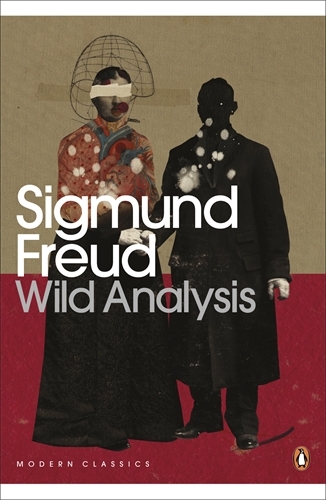
Wild Analysis
'Psychoanalytic treatment utilised the patient's capacity to love and desire as a means to an end. The stuff of romance became the stuff of cure. When Freud is writing about technique in psychoanalysis - and these papers [in Wild Analysis] represent his most significant contributions to the subject over three decades of work - it is important to remember that he is talking about what a couple, an analyst and a so-called patient, can do in a room together. For better or worse.' Adam Phillips
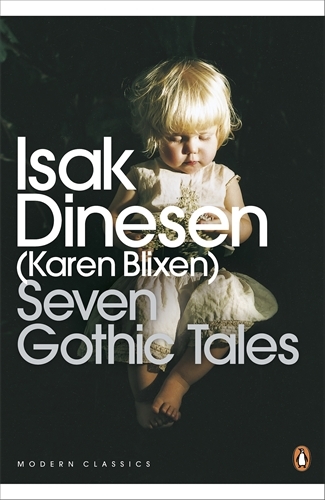
Seven Gothic Tales
Romantics, adventurers, sensualists, melancholics and dreamers inhabit the bizarre and exotic world conjured up in these seven intricately interwoven tales, whose settings range from Tuscany and Elsinore, to a dhow on its way from Lamu to Zanzibar.
Proclaimed a masterpiece on its publication in 1934, this collection is shot through with themes of love and desire - from the maiden lady who now believes herself to have been the grand courtesan of her time, to the Count whose wife is so jealous that she cannot bear him to admire her jewels, and Lincoln Forsner, an Englishman whose search for a woman he met in a brothel leads him into many strange adventures.
Proclaimed a masterpiece on its publication in 1934, this collection is shot through with themes of love and desire - from the maiden lady who now believes herself to have been the grand courtesan of her time, to the Count whose wife is so jealous that she cannot bear him to admire her jewels, and Lincoln Forsner, an Englishman whose search for a woman he met in a brothel leads him into many strange adventures.
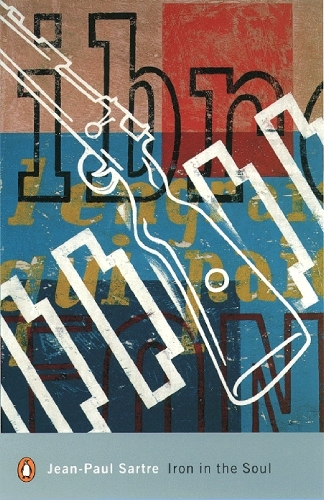
Iron in the Soul
June 1940 was the summer of defeat for the French soldiers, deserted by their officers, utterly demoralized, awaiting the Armistice. Day by day, hour by hour, Iron in the Soul unfolds what men thought and felt and did as France fell. Men who shrugged, men who ran, men who fought and tragic men like Mathieu, who had dedicated his life to finding personal freedom, now overwhelmed by remorse and bitterness, who must learn to kill. Iron in the Soul, the third volume of Sartre's Roads to Freedom Trilogy, is a harrowing depiction of war and what it means to lose.
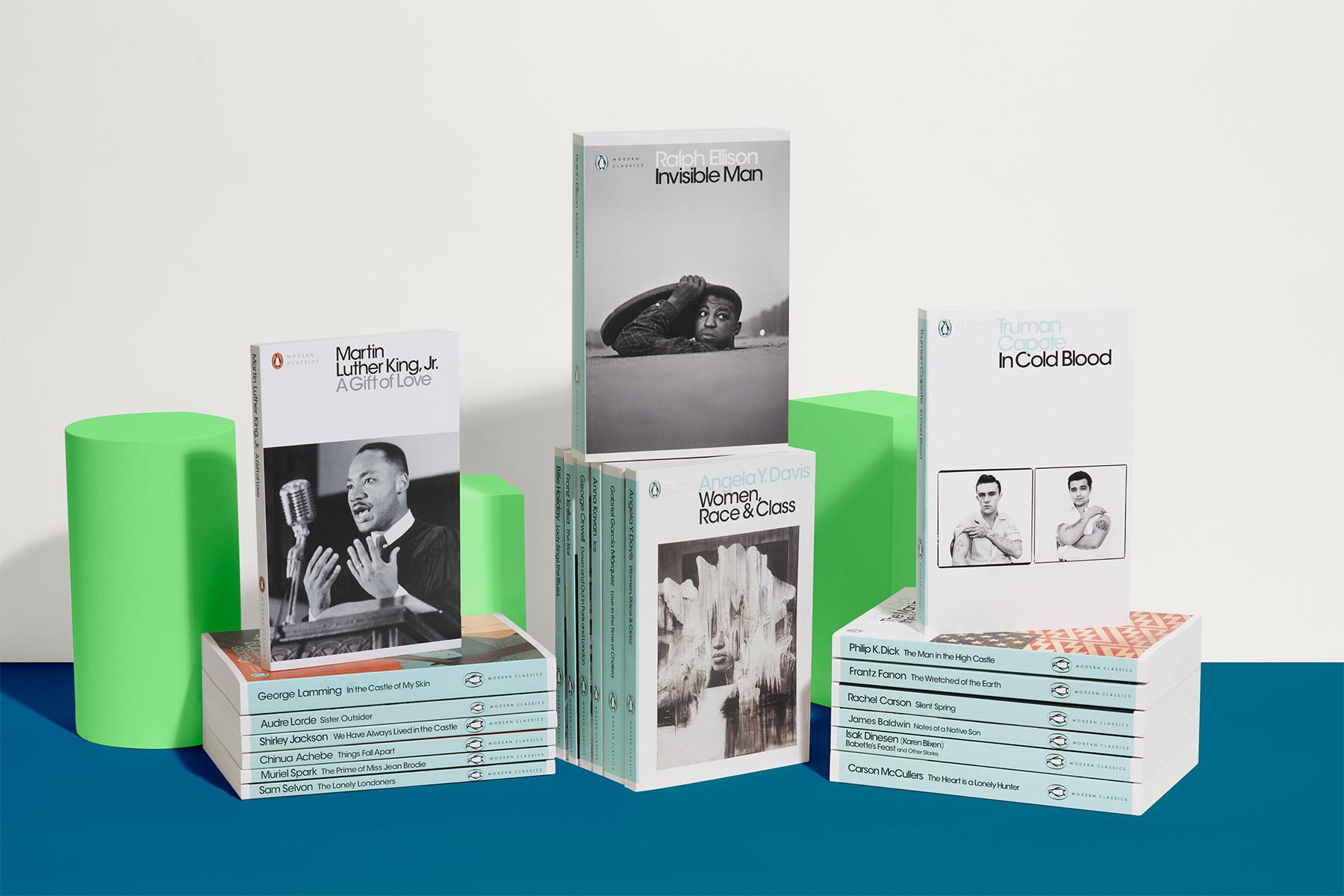
Collect the Penguin Modern Classics
Choose three Penguin Modern Classics for only £21 over on the Penguin Shop.