What makes a setting feel so vivid it becomes a character?

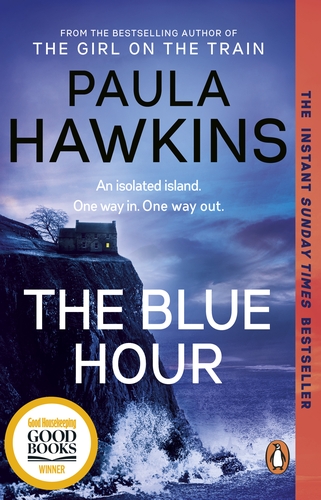
Which novels are truly unputdownable and what should you read on a dark winter's night? We’re joined by best-selling author, Paula Hawkins, who discusses art, love and remote islands in her latest thriller, The Blue Hour. She also helps us tackle your listener questions with a stack of gripping recommendations to guide you to your next great read.
Listen to the episode and subscribe to Ask Penguin wherever you get your podcasts.




Non-Penguin titles
Episode transcript
Rhianna Dhillon:
Hello and welcome to Ask Penguin, the podcast all about books and the people who write and publish them. I'm Mariana Dillon, and in each episode I have the pleasure of sitting down with authors and our penguin colleagues to hear all about their latest projects, their current reading obsessions, and what's inspiring them. Plus they'll be answering your questions and hopefully sending you away with a book recommendation or two as well. Joining me today is global number one bestselling author, Paula Hawkins. Paula's debut Thriller, the Girl on the Train became a worldwide phenomenon selling over 23 million copies and inspiring a box office. Hit film starring Emily Blunt, her follow-up novels into the water and a slow fire burning were also instant number one bestsellers In 2021, A slow fire burning was nominated for Thriller of the Year at the British Book Awards. The Blue Hour is her latest, masterful and deeply unsettling new novel exploring themes of loneliness, friendship, and obsession set on a Scottish title island.
Eris is cut off from the mainland for 12 hours each day. The island's only house once belonged to Vanessa. This beautiful, talented man, occasionally difficult artist who's notoriously unfaithful husband vanished 20 years before. Now it's home to grace who's taken it upon herself to guard the island's secrets. But when a human bone is discovered in one of Vanessa's artworks, questions begin to surface. And Grace's precious isolation is disrupted by the arrival of James Becker, curator of the foundation responsible for Vanessa's legacy. Paula, welcome to Ask Penguin. It's really lovely to have you here for the first time. Thank you so much for inviting me. So the Blue Hour came out a year ago in hardback, and it's just being released now in paperback. So first of all, I just wanted to ask you, did anything about reader's responses surprise you?
Paula Hawkins:
I mean, I know there has been a debate about how the book ended, and I know not everyone. Yeah, there were different interpretations and there are people who love the ending and people who really don't like the ending. So I think that was the thing, but that wasn't really a shock because I knew that was a hard ending to write, and I knew it would be divisive, I think.
Rhianna Dhillon:
So I read that when you first set out to write the Blue Hour, the location actually came to you before anything else because it is so specific. So what did inspire the creation of Eris and what do you think the island brings to the story?
Paula Hawkins:
Well, yeah, it's an interesting one because usually I start with character. And in this novel, the island really was the first thing that I thought about. And I'd been thinking about it a long time because I went on holiday to France in I think 2017. But the coast of has lots of these little tidal islands like the one in the novel where you can walk out on the sands when the tide is out and when the tide is you're cut off. And there was one particular island that had a single house on it, and it was just really beautiful and I loved it and I was thrilled by the idea of this island. And also by just intrigued by the idea of who would choose to go and live in a house on an island that's cut off for 12 hours a day. So I kept thinking about it and I actually tried to write something set on a title island, and it was very bleak and I abandoned it. But I knew that knew that the setting was really powerful one, and that there was lots you could do with it because it had these locked room possibilities because a place you could be trapped and it's a place you could need to get to and not be able to. But also it was beautiful and remote. So I just had to think of the right person to live there.
And eventually I came up with the idea that it would be an ideal home for an artist who would be drawn there by the landscape and the promise of solitude. By this point, I knew that it was not going to be in France. I didn't want it to be French and sun drenched. I moved it north to the west coast of Scotland where it would be a sort of altogether, the darker and stormier place. So the interesting thing about it was that it actually, it shaped the character that lived there, but it sort of began to shape everything. It shaped the story that I wrote, and the more I thought about how it would be to live in a place like that, I thought how it would actually change you over time. So it was a real gift of a location because I felt like it helped me to write the book because it sort of shaped everything. It showed me the way I needed to go.
Rhianna Dhillon:
It's interesting that you say that you start usually with character in this time with location, but it sounds very much like Aris was a character.
Paula Hawkins:
Yes. I mean that is true. It sort of became a character in its own right sort of. Well, it certainly has the force of a character because it determines the atmosphere and because it changes people's behaviour.
Rhianna Dhillon:
Yes. Did you ever end up speaking to anybody who lives almost in solitude on
Paula Hawkins:
One of these islands? I didn't. This is mostly imagination and sort of imagining myself into a place, because I think at the time I was writing it, I was feeling as though I wanted to run away. I was having that feeling of wanting to get away from the world and wanting to cut myself off, which is kind of weird because we'd just all been cut off by the pandemic. But anyway, I have this fantasy of a life where you would be somewhere beautiful, somewhere remote, somewhere that you would have complete peace. But then I also know that I would probably would go mad if I was like that and I would be desperate to see people. And so I was sort of imagining that sort of push and pull of the joy of escape, but then how you would also want to get away. You would want to bring people to you. You would want to escape back to the world, which is what Vanessa wants to do, my artist, what she wants to do, and yet things thwart her from time to time.
Rhianna Dhillon:
Bring
Paula Hawkins:
Some people.
Rhianna Dhillon:
So as you say, Vanessa is a very particular kind of person. How did you want to explore all those things that you just talked about? All of the things that don't quite make sense or don't quite add up. How did you want to explore those complexities in Vanessa who sort of does want some adoration but also wants to be cut off from the world?
Paula Hawkins:
So this is a woman who's had some success as an artist. So she, she's quite well known, but she's not always critically well received. And she sort of bridals against that. She's irritated with the way she's written about as a young-ish, quite beautiful woman. There is a lot of focus on what she looks like or on her personal life and she wants people to focus on the art. So there's that kind of tension. So she's pushing back against the way she's been talked about and written about, but at the same time, she kind of needs those things and she needs an audience. She needs someone to bounce these ideas off. She's partly running away from an unhappy domestic situation as well. Her feckless useless husband. And so there's lots of sort of push and pull going on in her life. And her escape to the island is I think, not something that she's sees as a permanent thing. She sees it as this place where she'll work and be inspired. And when I was thinking about that, I was thinking about lots of artists have done this. You think about Barbara Hepworth going off to St. Ives or someone like Leonora carton escaping to Mexico, or there is that fantasy of bolting,
Of getting away from it something. And often you're drawn by a particular landscape that you think is going to inform your work or that is going to inform your work, but then you also have to deal with the real world. You have to get back to the art world or your family or what have you. And so there's always going to be a tension between those two things, and that's where the drama starts to happen.
Rhianna Dhillon:
Yeah, the art world is something, it feels so impenetrable, the art world for somebody who's not involved in it. So how was it for you trying to break down some of those barriers for a reader to invite them into a world which is quite notoriously private?
Paula Hawkins:
Yeah, I think it's one of the reasons it's sort of intriguing is because it feels very opaque. It feels like we don't really know how these things work. Absolutely. And it's quite sort of glamorous. And I mean, whether it really is glamorous and mysterious, I dunno. But
Rhianna Dhillon:
Glamour is as glamorous as we all think
Paula Hawkins:
Is it? But yeah, we like to think it's glamorous and mysterious. So yeah, it's a little bit of a peek behind the curtain of what it might be like to work in a place. So one of the characters, Becca, who's the curator of this foundation that owns Vanessa's art, he's kind of an outsider, so we see it sort of through his eyes. He loves art and he particularly is an expert on Vanessa's work, but he also, he doesn't come from a posh background. He comes from a working class background. So he always feels like this outsider. He's sort of dropped into this extraordinary world where you live in a stately home and you have pieces worth thousands, millions of pounds on the wall. But at the same time, he finds some of the people who are in this world slightly ridiculous. They didn't really work to get there. They are just there through privilege. And he feels so while he feels out of place, he also feels slightly superior to them because he worked to get where he got, he's accomplished and he knows things. So he is kind of taking the reader into that world and then also doing a bit of detective work himself because he has to figure out the mystery at the heart of the
Rhianna Dhillon:
Book. And of course when we think about art, we do think about beauty and it's such a big, again, more of a push and pull about how art is received. Obviously it's so incredibly subjective, but I'm really fascinated about the way that you write about ugliness and beauty. And Becca seems to be so entranced by the beauty of Vanessa and all of her work and is so shocked by the ugliness of grace.
Paula Hawkins:
So Becca has a very idealised idea of who Vanessa is. And so he idealises this woman that she lives with as well, who he doesn't know exactly what their relationship with, but you can tell his imagination has been running away with him. And he's imagined that she'd have some sort of muse, some sort of prera light looking muse. And then there's this very plain doctor who's just very ordinary looking woman, a middle-aged woman, and he says she's ugly, but his reaction is a reaction that lots of people have had to grace through her life.
And it's very interesting to think about what that does to you as a person to always be the less attractive, the doji. The thing that the particularly, I mean maybe I'm being mean to men, but a certain source of man just immediately overlooks a woman who isn't physically attractive or who isn't beautiful. And so Grace has felt this her whole life, and it has to some degree informed the way she is, has to some degree shaped how she reacts to people, how she interacts with people. It is a very interesting dynamic. I think that it's one of the many power dynamics that goes on in the book. There are all these different ways in which power is held and power shifts and being beautiful is a way of holding power, but it's not an uncomplicated thing. As Vanessa experiences that being found attractive is not without its downsides. People want things from you. They're angry if you don't give them what they want, so it's not uncomplicated. And so yes, between Vanessa and Grace, there are many different power dynamics which are continually shifting throughout the book.
Rhianna Dhillon:
How early do you like to drop in descriptions of what your characters look like before maybe giving your reader time to imagine what they are before you start describing them? What's your thinking about that?
Paula Hawkins:
That's a really interesting question because I think I'm not usually somebody who is particularly descriptive of character in terms of their actual physical appearance. But in this book, I think it felt more important to me
Rhianna Dhillon:
When you talk about grace is like butcher hands.
Paula Hawkins:
Yes.
Rhianna Dhillon:
Which I love the strength of that.
Paula Hawkins:
Yes. And I did think she would be strong. In fact, both of them need a kind of strength. I think when we meet Grace, she's getting a bit older and she's conscious of losing some of her strength and her athleticism. Whereas although Vanessa becomes ill, her strength is very important to her at the beginning because of what she does, because she has to wedge clay and carry canvases around and that it's actually really physical being an artist, or it can be very physical. So I think generally when I write, I don't think too much about people physical appearance. I think what is always important for me is how people think about themselves. It's their own sort of, because that shapes how you interact with people, your sense of self and your sense of how people feel about you. So that's the important thing is does she feel attractive or unattractive or strong or what have you. And that's the thing that I probably zero in on first.
Rhianna Dhillon:
I really love how you sort of blur all of the boundaries between friends and family in this. And even with Becker and his relationship at home, he's in this sort of, not quite menina, but he, he's very untrusting of it. He doesn't believe that people can be friends if they've had a sexual relationship and vice versa. And you have this line in the book, Vanessa says that freedom is the antithesis of family, which I loved. But it also got me thinking about the traditional sense of what we think of as family. They are both Vanessa and Grace without a traditional family, but they have each other. How did you want to explore those different sort of family forms that we see within the blue hour?
Paula Hawkins:
Well, obviously the friendship is at the heart of this novel, that friendship between the two of them. And I was interested in how those kind of a friendship that endures a very long time can be just as bit complicated as a love affair or a close familial relationship. You get angry with each other, you betray each other, you hate each other, you love each other again. And there are all these feelings of duty and obligation that can come into those. I think when Vanessa says it's the emphasis of freedom, she's thinking about that family for her involved duty raising children, the way that women often end up with all the caring roles, she's pushing against that. I'm sure a lot of people don't feel that way, but she's that person who's pushing against that, who just doesn't want to have these obligations. She ends up having other obligations because you always do. But yeah, so she's chosen a different to go off on her own. But I think even those of us who do, or people who choose to go on their own, you inevitably discover that you will replace familial relationships with something else, with some other connection. And it's just exploring how those connections play out over time and how it's different and how it's the same.
Rhianna Dhillon:
Vanessa is obviously, as we talked about, a famous, she's famous especially in the art world, and feels like a slight departure for you as well to be writing about somebody who is in the spotlight. Because we hear about a lot of the, perhaps this sounds so horrible to say that, but the sort of everyday people who don't have the spotlight. So was there a difference in the way that you approached writing somebody who is under that sort of scrutiny?
Paula Hawkins:
Well, I think when I started writing her, I was going to make her a more minor artist. But then I think there was a feeling in the edit that she should be a bit more well known that she should have not quite a household name. And when she's working mostly it's the 1990s and there were very few female household names in art, weren't they? There would be Trace Yemen.
Rhianna Dhillon:
I was going to say literally Tracy Yemen,
Paula Hawkins:
I mean of women alive, some other artists. But there was a sense that she should be a little bit more famous. But because I do prefer to write about comm ordinary people, I'm always interested in how very ordinary lives can become extraordinary and how ordinary people can do extraordinary things and everyone else around her. Well, grace is just a gp. Just a gp. Again, like big inverted commas. One of the things that Grace finds infuriating is this idea that artists are somehow more important. What they do is more important what she does. She's been out there saving lives, she's been working in the pandemic and that kind of thing. And yet these people who make pots think they're very important. But it is interesting, and I was interested in that idea of how one might feel as a person in the public eye when you read things that have been written about you. And when interviewers come and talk to you in a certain way, and then you think the interview went one way and then you read it and think, oh, I didn't think that was a conversation we were having.
Rhianna Dhillon:
It's devastating actually, that
Paula Hawkins:
Blew. Yeah. So that was an interesting thing for me to think about how that affects somebody and how they might just decide to run away from it all. It was one of the many things she's running away from.
Rhianna Dhillon:
And to challenge how women are spoken about generally in the press, in the media and how things will
Paula Hawkins:
Be,
Rhianna Dhillon:
All of the double standards between how men and women are written about.
Paula Hawkins:
Yeah, sure. Because again, the press reviews we're seeing are from the nineties. I mean, I hope things have moved on a little bit. The nineties were quite a dark time for that kind thing.
Rhianna Dhillon:
Really it would not the nasty era, I
Paula Hawkins:
Think we always thought, well, I was in my twenties and the nineties and I thought things had moved on already and we were progressive and whatnot. And actually you look back and it was fairly shocking. And the art world has been slower to catch up with other industries perhaps in terms of gender equality.
Rhianna Dhillon:
You're also clearly really interested in the quiet ones, the ones who don't really fit in as grace has always been on the periphery. Becca also is shocked to find a woman who's so beautiful to be attracted to him, let alone be his wife. So why does that sort of character appeal to you, the ones that perhaps do live on the fringes a little bit, even if it's in their own minds?
Paula Hawkins:
Yeah, outsiders are always the people. I like to write about outsiders in some way. They may be, in this case for example, Becker has, he's got the beautiful wife and the ideal job and everything, but he still doesn't feel like he belongs there. He has terrible imposter syndrome. I just feel that those people, there's always so much that you can do with them. There is so much scope for conflict and difficulty and misunderstanding, and those are the characters that I am compelled by, I guess many, many writers. I have often felt a little bit outsider ish myself. And it's that those people who are slightly on the fringes who aren't the life and soul of the party who are watching, who are observing, who long for things, I think there's a big sense of longing in this book, longing to belong, but then there's also a kind of disdain for the people who are at
Rhianna Dhillon:
The heart the
Paula Hawkins:
Party. So that's such an interesting dynamic, I think.
Rhianna Dhillon:
Yeah, it is because where is that born of jealousy more than anything else?
Paula Hawkins:
Probably jealousy in a sense of being left out, but it also seems to breed the sense of superiority. Whereas as I said, grace looks at these people, she's like, oh, for goodness sakes, why'd you take yourself so seriously? What is it you're really doing?
Rhianna Dhillon:
I really like that tension between Grace and Becca because they both love Vanessa in very different ways. And Grace is so frustrated with Becca for just almost seeing Vanessa through this artistic lens. And Becca can't bear the fact that Grace has been exposed to all Vanessa's art and still doesn't get it.
Paula Hawkins:
There is a sense of them both wanting to own
Her memory and her story, and to be the one who really knew her, who could bring her to the world, because obviously Becca wants that. He's the expert, he's the foremost expert on Vanessa Chapman's art. So he should be the one who has her papers, who gets to tell the world who she was and what she meant. And Grace, of course, sees it very definitely is she was the friend. She was the one who was at the heart of her life, who lived with her, who saw her, who knew her beyond the art. And so they both are very doggedly, clinging onto their piece of this person.
Rhianna Dhillon:
I mean, that is kind of like, if there is, there's a friend in a friendship group who everything sort of revolves around and everyone's like, well, no, I'm her best friend. That's what it felt like. Dynamics. Yeah, I think that is a bit Also, I love the structure of this because we hear multiple perspectives, but Vanessa's are posthumous and come through the form of her diary fragments. So tell us about how you landed on this structure to make sure that Vanessa still had a voice, but it was still a slight unreliable narrator.
Paula Hawkins:
I knew that Vanessa would already be dead at the beginning of the book, that it's not a spoiler. She's gone. And so that the reader wouldn't meet her directly in that way. I knew that the reader would see her through lots of other people's eyes, through Beck's, through Graces, through the critics, all these people. But then I did want them to be able to hear voice. And I had been reading books about and by artists. I loved reading the way artists write about their own work. So I wanted to bring some of that in what they were thinking about and their own dilemmas and insecurities and have the reader hear what she was thinking about, what she was longing to do. But also I wanted them to get glimpses of her personal life, her sort of petty frustrations, the day-to-day difficulties of living on an island in the middle of nowhere where it's dark and cold and there are mice and whatnot. So there were all those elements that I wanted to bring in. So I wrote huge amounts of Vanessa's diary, thousands and thousands of words. Very little of it actually makes it into the, yeah. So I wrote this whole thing and then I chopped up bits and I put them in.
Rhianna Dhillon:
Oh, wow.
Paula Hawkins:
Which was very enjoyable. Yeah, I can imagine
Rhianna Dhillon:
That would've been very cathartic actually.
Paula Hawkins:
It was fun. Yeah, because I didn't need to worry too much about writing beautiful sentences or the language. It was just you had to think of somebody just writing things down. And sometimes, yeah, she'd be really getting into her work and being really pretentious, and then sometimes she'd be worrying about the septic tank or what have you. So there's all those. That was really fun to do, and it did allow me to give the reader a glimpse into her mind and how she's feeling at various times. But as you say, it is a bit unreliable because you don't know in what order these things come. The papers are a mess. You dunno what's missing. So yeah, we just get these little tantalising, hopefully little glimpses of her.
Rhianna Dhillon:
And how do those shifting perspectives sort of add to the tension and ratchet up the suspense, do you think?
Paula Hawkins:
Well, I seem to be incapable of writing a novel sort of in a straightforward way from start to finish and told in one person's point of view, I just can't do it.
Rhianna Dhillon:
Doesn't
Paula Hawkins:
Interesting. I just can't do it. The thing with writing a crime novel is you have to hide so much. And the great thing about having these shifting perspectives is that there's lots of holes where you can hide things and you can show one person's view of an incident and then somebody else's view of an incident, and then let the reader think, oh, now who do I trust on this point? Because one of the hills I will die on is that no one is really a reliable narrator that everyone, even if we're trying to be honest, we misremember things and we interpret things very differently. So that gives all the scope for misunderstanding again and for holes where things might fall unremarked. I
Rhianna Dhillon:
Love that. I love those holes. Loneliness is another thing. It's interesting that you talking about post pandemic and that idea of escape and isolation, loneliness was talked about so much in those post weeks, months, still years. We're still talking about the impact of that. How were you hoping to explore the idea of loneliness, especially because the pandemic does happen in your world as well?
Paula Hawkins:
Yeah, so I was thinking a lot about loneliness because of those things. Because I was writing this after the pandemic and I was fine. I was one of the lucky people in the pandemic. I was happily at home with my partner and we get on fine, but I was aware of, I had quite a few people in my life who spent at least that first lockdown all alone, and it was a pretty terrible time, and I was very acutely aware of how brutal that was. I think it's just something that I've been thinking about a lot, the impact on somebody of being lonely for a long time of their life and how it changes you and how it changes how you see the world and how just having one person to connect with can completely change. You see the world. So it was something that I had been thinking about how corrosive that can be and how difficult it is if you're lonely to trust your own instincts about things because you never have anyone to bounce anything off. So it's very easy to become very paranoid or just be caught up in your own interpretations of things in your own mind and never having someone to say, just hang on a minute, just give you a different perspective. Yeah, it's simply a different perspective. So they're interesting characters. I think people who suffer that way, it's a horrible thing to suffer, I think.
Rhianna Dhillon:
Yeah. But also incredibly recognisable. Relatable,
Paula Hawkins:
Well, so many people. We read about it all the time, more and more of the epidemic of loneliness and modern life. Yeah.
Rhianna Dhillon:
Just thinking about external inspirations as well. Obviously the art world was one, but also Daphne de Moer comes up. So tell us about the influence of her on the Blue Hour.
Paula Hawkins:
It was one of those odd things. I wasn't thinking about it. Well, not consciously anyway. Obviously I had been thinking about it, and when you look at this book and the structure of it, and it's set in this beautiful remote location, and it has this woman who sort of looms large in the whole novel but is never actually there, so are of, I think lots of people felt Grace had a touch of Mrs. Danvers about her. But actually before I started writing, I had been reading Mario Short stories,
And I just loved the way she manages to create this air of creeping unease in the stories that something bad is coming, you just dunno where it's coming from. And I really loved that I was reading things like The Birds and Don't Look now you just know something horrible is coming and you are not really sure where it's coming from. And that was something I really wanted to evoke. So I dropped her in there a few times and I mentioned a couple of those stories, which are mostly well known I think for film, but actually the stories away are really, really dark and beautifully crafted and they're very worth returning to.
Rhianna Dhillon:
Well, speaking of adaptations, I just wanted to ask you about Girl On the Train, because obviously it was a decade ago that you published that.
Paula Hawkins:
Yeah, it was. Yes, 2015.
Rhianna Dhillon:
So what have you learned about yourself or the way that you like to write in that decade and also about the world of publishing in general?
Paula Hawkins:
Well, I think one thing I've learned is that every book is its own problem. That nothing, it doesn't just get easier. Every book is a new challenge. It presents its own unique difficulties. I have realised that I don't write well on the road, I don't write well when I'm having to. I found it very difficult to write into the water because there was so much still going on from the go on the train in the movie and everything. And I was touring a lot, travelling a lot, doing a lot of events and interviews and things, and it was extremely difficult for me. I like to sit alone in a room and have a long uninterrupted period of time to really just immerse myself. I don't do that sort of, oh, I'll just do a couple of pages while I'm sitting in the departure Lounge doesn't work for me. I think I learned that you have to really, really try and cut out the noise and just focus completely on what you are interested in at that moment and try very hard not to listen to the chatter and what's doing well, what people are talking about now, because you can drive yourself mad. And I was very lucky I wrote the Girl on the Train when psychological thrillers of that sort were having a moment,
Paula Hawkins:
And
Paula Hawkins:
That is just pure luck. I didn't go into it thinking, aha, psychological thriller, having a moment. It's like cosy crime is having a moment at the moment has been having a moment for a little while now. You can't write into those things. You have to already be there. It has to be natural, I think.
Rhianna Dhillon:
Is there a literary masterpiece that you would recommend to aspiring authors to read? This is a question that the listeners have been asked.
Paula Hawkins:
A literary masterpiece. I mean, gosh, well, there are many. I'm sure it's a really tough question. That is a really tough question. It's a tough question to come up with a single book that I think aspiring. I mean, if I was speaking to someone starting out, I think actually I would go to nonfiction quite a lot of the time. There are two writers' guides sort of Es that I think are really worth reading, and one is Stephen King
On writing, and the other is the George Saunders a Swim in the Pond in the Rain, which is his analysis of the short stories of four Russian writers, which are really brilliant about structure and that kind of thing. It really depends what you would be trying to do because as to where you would go, because Jane Austin is brilliant for structure, for example. She does really good three act structures, but that's not everyone wants to do something like that. If you wanted to, obviously if you're wanting to do something a bit more Trixie, you might go in a completely different direction.
Rhianna Dhillon:
And finally, what can we expect to see from you next? Are you working on something else?
Paula Hawkins:
I am. The noise of the blue Hour died down enough. I am working and I'm very, very bad at talking about works in progress. I really, I can't do it. So I am working. It's set in London. That's all you're getting. It's a London novel that's
Rhianna Dhillon:
Exciting. And it's over right as we are recording in London. So the Blue Hour and all of Paula's other titles are available now from wherever you get your books. Paula, thank you so much for joining me.
Paula Hawkins:
Thank you.
Rhianna Dhillon:
And you're going to be sticking around to help us with some Ask Penguin recommendations. I
Paula Hawkins:
Will. Thank you very much,
Rhianna Dhillon:
As well as illuminating Author conversations. We also love our listeners to leave with plenty of book recommendations. So each episode we put your questions to our guests joining me and Paula to help answer some of those questions are our penguin colleagues, ed Kirk, commissioning editor for Penguin General and friend of the pod, Alison Barrow, PR director at transworld. Ed. Alison, thank you so much for joining us. Now, before we get going, Alison, obviously you've been on before. We know what PR director means now, but commissioning editor ed, I mean it sounds very big and important, but tell us what it actually means.
Ed Kirk:
Commission editor is we are acquiring books, we are editing books and we are publishing books. So a lot of my time is spent meeting agents, meeting new authors, and then in my bedroom editing away, and then speaking to all of our colleagues, publicists, our Marx, our sales team, all about how to sell the books.
Rhianna Dhillon:
So if you're at a party and you tell somebody that you're a commissioning editor, do they immediately soft launch their book at you?
Ed Kirk:
I mean, my own dad, well, soft launch, soft launch his book to me. Yeah, but that happens fairly often.
Rhianna Dhillon:
My dad did that to me the other day and he was like, no, you're at Pengra. I was like, absolutely not. Hey listen, lemme stop you there. Almost 70 ideas. Okay. We have quite a lot of listener questions to get through. So our first one is from Stu Cummins who's asked, I'd love to know what your top psychological thriller recommendation is. Let's start with Paula.
Paula Hawkins:
Okay, well, I'm going to give you a few because, so a classic, I'll go Highsmith Strangers on a train. I love that. I love Ruth Randall. A dark Adapt Die for more modern ones. I'm going to go for my sister, the serial killer buying and break weight, which is really funny, which is not what you really expect in a psychological thriller, but it is. And the author name is Emma Chapman and it's called How to Be a Good Wife, which is very, very chilling.
Rhianna Dhillon:
Oh, really good recommendations. Thank you, Allison.
Alison Barrow:
I haven't heard of that last one. I've got to read that now, not. Oh yeah, no. Paula's recommendations are always spot on. I think our reading tastes collide really beautifully. But I'm also, I know you've interviewed Paula, but obviously I have to reference Hawkins. And what I love about your writing particularly is they are psychological, but there's so much suspense on all the pages, whether it's devolved from the characters and the interactions or the landscapes that you create. So big up for Paula Hawkins also of this parish, Lisa Jewel, who honestly, she is astonishing. She publishes a book every year, which is amazing. They're all incredibly different and all with her particular stamp of suspense, tension, psychology, twisty, turny, I think she's an absolute star, definitely Ruth Rendel, definitely actually the Barbara Vines, Ruth Rendel wrote as Barbara Vine and those are very spooky books. And I think also Patricia Highsmith, who is probably the classic, I know Stu Cummings and I know he's a big fan of Lisa Jules, so he'd be delighted that I have mentioned Lisa.
Rhianna Dhillon:
Excellent Ed.
Ed Kirk:
I think my answer is a bit of a cheat actually, because I'm sure this book has been recommended on this podcast before because everyone recommends it. And I am a bit of a contrarian by nature, so if everyone's recommending a thing, I tend to stay clear of it. But my partner kind of thrust into my hands when we were on holiday, and I absolutely raced through it and absolutely adored it. It's the secret History by Don Tar, which isn't really a psychological thriller, but I would say when anyone's talking about the book, they talk about the dark academia or they talk about this incredible cast of characters. But actually I think the engine of the book, the thing that's driving the plot is this kind of inverted detective story. So it begins with a murder who's been murdered, you see who did it, who did the murder, but why they did it, what drove to that is the thing which drives the plot. And I think, yeah, a phenomenal book. Really, really brilliant,
Rhianna Dhillon:
Amazing. I really like these sort of rewritings of instead of the Who Done, it's the how or the Why done it. I really like that. Okay, the next question is from Farzana. Who's asked, what is the one Unputdownable book that you'd recommend for a really long train journey? The kind of story that makes you miss your stop? I love that.
Alison Barrow:
Love that too. Shall I?
Rhianna Dhillon:
Yeah, please do.
Alison Barrow:
I'm full still of this debut novel that I've just read called Buckeye by Patrick Ryan that I'm absolutely going to be recommending to everybody. It wasn't really massively on my radar. And then a lot of people whose recommendations I value, mostly on social media, in fact have been elevating it. It is a sweeping story set in America, but actually has universal themes about two interconnecting families and one moment, one unguarded moment where there is a transgression between two members of those families and it spirals from there. What happens next? It spans several decades, several generations, and it's about family, it's about secrets, it's about who we are and where we belong. And I was just completely immersed in it. Really wonderful book. But Kai, that's
Rhianna Dhillon:
Great recommendation. Thank you.
Paula Hawkins:
You can see where she's a publicist. Oh, you absolute can Paula. I think what I look for when I'm going to be on something like a long train journey is a novel that I'm going to be completely immersed in and that creates a world that I just want to stay in. And so I was thinking something like Paul Murray, the Bee Sting
Rhianna Dhillon:
Love that
Paula Hawkins:
Book, which is, yeah, so it's set in Ireland, it's about this kind of dysfunctional family that once had lots of money, but post the financial crash, they've fallen on hard times. But you really lived with all of those characters. I think it's told by all the different members of the family. There is definitely that page Turner aspect, particularly as you come towards the climax at the end. But I just felt like I was really living in those people's worlds. I had a similar thing with Sarah Moss's ripeness, which I think was out earlier this year. She really evokes this particular time, 1960s, Italy. Well, there's two timelines. 1960s Italy and Modern Day Island as well. But again, I kept wanting to go back. I wanted to live there forever. I never wanted to leave. So that's the sort of novel I'd like to really on the long journey.
Rhianna Dhillon:
That's a really great wreck. I love that. I do. I felt all of the same things that you felt with the bee sting.
Ed Kirk:
Yeah. I also now want to recommend the Be Sting, just read the Be Sting. This Sting I suppose American condition is Tokyo Express by Circle Matsumoto, because we have in honour of our author and in honour of the question, which seems to be kind of around trains, I think I wanted to choose a book that had so to do with trains.
Rhianna Dhillon:
Love
Ed Kirk:
That. But Mats Malta is also known as Japan's Agatha Christie. So I think still has that kind of, I suppose by definition that Miss Your stop quality. It is a bit of classic, so kind of from the sixties and set and sixties, and it begins with a young couple who are discovered dead on this kind of windswept beach. And everyone assumes that it's a double suicide, but these two hard-boiled cops think something fishy is afoot. And over the course of novel, you discovered that fishiness has something to do with the 1960s Japanese railway system. And its timetables, which let me tell you is a lot more Gryphon than I made it sound. Yeah, it's also translated by Jesse Kirkwood, who is one of the best translators around. You are in very safe hands with Jesse.
Paula Hawkins:
I would like to second that one also, just you get this real sense of the place and of the food. They talk a lot about what they eat. It's amazing. It's so beautiful. I love
Alison Barrow:
That novel. Yeah. Vote from me too.
Rhianna Dhillon:
I'm already drooling actually. Okay, next up, this is from Trevor Jackson who's asked, can you recommend a book that has a powerful atmospheric setting that feels almost like a character in itself? I guess kind of like Aris actually, like we were talking about
Paula Hawkins:
Earlier. Well, when I was thinking about this question, I thought the obvious one is Weathering Heights. We can't escape Weathering Heights. But then the other one I was thinking was the haunting of Hill House by Shelly Jackson because the house and that is so horrible. She describes it so beautifully. I think it's not sane. Jackson's brilliant at doing this thing where she describes somewhere that ought to be beautiful and it's not. It's ugly and oppressive and the house kind of has this malevolent effect on everyone who goes there and it's just truly chilling.
Alison Barrow:
Yeah, I would suggest for that sort of setting a sort of step adjacent to Paula is a book called Beautiful Ugly by Alice Feeney, also set on a remote Scottish island and about the unravelling of a relationship. And it's one of those you don't quite know who is the good one and who is the bad one, another really rich psychological thriller. But the remoteness of the setting really seeps into the pages. I love that. More recently, I have read Sea Scraper by Benjamin Wood, which was long listed for the booker and rightly so. It is a very simple story about a young boy who is employed scraping the Sams by the side of the sea for what he can find there. And it's about the simplicity of life, the remoteness of the job that he does. And he has a secret passion for playing music, and it is just exquisite. Really beautiful book. Love that. Thank you.
Ed Kirk:
And to Second Seas, scrapper Again. Absolutely. Flow Book. And Benjamin Wood, who is had a wonderful writer, it was also one of the most wonderful and t people you'll ever meet. So yeah, good to hear. Really
Alison Barrow:
Recommend. That doesn't surprise me from it comes across from the
Ed Kirk:
Page. It really does.
Alison Barrow:
It really does. Yeah.
Ed Kirk:
My suggestion is the employees by Olga Brown, which was shortlisted for the international booker a few years ago. And for anyone who's interested or likes their kind of literary science fiction, I think this is the best example in decades
Paula Hawkins:
Really. I
Ed Kirk:
Adore this book, I think it is one of my favourite books, and the author, AGA Raven is an absolute genius. She's so good. So it sets in the far future on this spaceship and the crew of the spaceship go down to this kind of distant planet and bring up these objects. And the objects begin to make the crew behave in a bit of a strange way. So they feel they want to be very close to the objects, they
Paula Hawkins:
Want to
Ed Kirk:
Have pressed them against their skin, but it also gives them this real longing for home. So for the planet they left behind long, long, long ago for Earth. And so the owners of the spaceship, the employers decide to set up a workplace commission to interview all of the employees or the crew of the spaceship. And that's the novel. The novel is a patchwork of these interviews with all of these crew
Paula Hawkins:
Members.
Ed Kirk:
And so you don't really have character research, but what you're left with is this incredible sense of the atmosphere of this spaceship, of the darkness, of the claustrophobia and also the strange. I mean, if we have the future like Olga predicts, it's going to be a very strange future indeed. But I think there is a real poignancy and tenderness in the employees. I think it's this really brilliant imagining of what the future might miss about our present day. And whether that's kind of, I dunno, warm asphalt or bird song or rainy mornings or a feel of soul in your hand. It's a wonderful, wonderful book.
Rhianna Dhillon:
All of the above
Ed Kirk:
Of the above.
Rhianna Dhillon:
You miss all of that. Yeah, thank you so much. Those are brilliant recommendations. Trevor, I hope you'll find something in there that you'll love. Now as it's getting colder, can you recommend any dark or spooky gems that maybe aren't as well known?
Paula Hawkins:
I am not a great reader of horror or spooky, but the one I did come up with was Star Baker by Michael Andrew Hurley. It's actually very, very sad, very atmospheric, very dark. I remember reading it and just being really terrified. I won't tell the story too much, but it's sort of this atmosphere of this man bringing something into the house that seems not quite innocuous. It's a bit strange, but then it becomes something else. And there's a sense of something evil being brought into their home, quite
Rhianna Dhillon:
Nightmarish
Paula Hawkins:
It. It is quite nightmarish. It's kind of folk horror, I guess. So it has that slightly like a wicker manish vibe that I really like. It's a great book.
Alison Barrow:
Lovely. I think his debut was The Lonely the which is the one that's most well known and totally echoes all of those sentiments on the pages. He's got a really singular voice. I love that. I'm not a massive lover of short stories, but I quite like an interconnected short story collection. And the author Daisy Johnson wrote a collection of stories called The Hotel.
Rhianna Dhillon:
Yes, we've had Daisy on.
Alison Barrow:
Fantastic. And what I love about this, and I suppose it's a bit the sort of Shirley Jackson vibes, is the horror in the interior and moving from room to room. So you've got ghosts and witches and possessed children. All of those amazing things. Sounds amazing, but it feels incredibly claustrophobic. She's a brilliant writer.
Rhianna Dhillon:
And they're also on, probably on BBC sounds because the BBC did a audio version. And then I think she wrote the book off the back of the audio version. She wrote it for radio. Right. And it's a voice by all of these incredible British, possibly Irish narrators. And it's gorgeous, and they're
Alison Barrow:
So haunted. It sounds wonderful.
Rhianna Dhillon:
They each take one and it's just brilliant.
Alison Barrow:
Got the audio now. Yeah,
Ed Kirk:
Do it, ed. Well, this question also clearly has incredible timing because we've just published this wonderful collection of horror novels in Penguin Horror. And really what we are really inspired by is trying to kind of as the question asker says, find those rediscovered unknown gems. So we have some novels by authors who you might recognise, but you wouldn't necessarily associate with horror. So we have JB Priestly and Edith Wharton who writes these incredible ghost
Paula Hawkins:
Stories.
Ed Kirk:
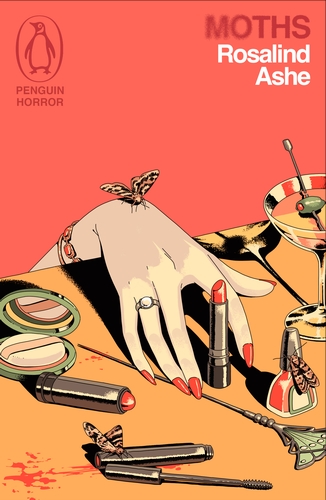
And then we also have books by authors who people might not recognise, but they really should because they're absolutely phenomenal. So we have a book by Rosalyn Ash called Moths, which is all about this beautiful country home and how it possesses one of its occupants, and I won't want to ruin it, but it's quite a strange way that possession. And then this other book by Hilda Lewis called The Witch and the Priest, which is all about this 16th, 17th century priest who is responsible for the deaths of a group of witches. And one of them returns to him at night and they have this kind of novel length conversation about why she was motivated to become a witch, how the devil tempted her. All the devil's kind of ceremonies that involved in witchcraft. And it's incredibly gruesome and incredibly scary and just absolutely wonderful. Yeah,
Rhianna Dhillon:
Brilliant recommendation. Thank you. Okay, final question. This is from Claire. If you had to recommend one novel about complicated families, what would it be? I mean, every novel has got a complicated family in that's so hard. Where do you even begin?
Alison Barrow:
Shall I begin? Begin? I mean masses. And actually I think my bookshelves at home are filled. I really love that. I love that twists and turns and layers of interactions between families because when you are blood related to people, it just makes it so much more intense on the page. I love that. I'm going to choose a book by Claire Lynch called a Family Matter,
Which is very unexpected in as much as it deals with a fractured family. And I don't want to expose too much because the surprise is on the pages, but I would say it's a story about fathers, about daughters, about expectation, about what we project onto others, about how we should behave and where we should choose our love. And it is stunning. And there's a court scene that Claire puts in this book which shakes you absolutely to the core. And then even more so when you realise that it has been lifted from transcripts from the 1970s.
Paula Hawkins:
Oh wow.
Alison Barrow:
The prejudice on the page and in the court is astonishing. It's beautifully done, and I would recommend that Family Matter. That's
Rhianna Dhillon:
Great. Thank you, ed.
Ed Kirk:
My pick is another recent book, actually, a book we published at the beginning of the Year Confessions by Catherine Ry.
Rhianna Dhillon:
We've also had Catherine on Great
Ed Kirk:
Taste You Have In Your Guess. Yeah. And that's a book that's kind of a family of a generation. So it's three generations of these Irish women across Ireland begins the island, kind of the ragged western edge of Ireland, and then shoot over to New York and it's set in New York for a great period. And then you find yourself back in Ireland in the final generation. And I think what's really interesting is I think it's a really great way of exploring how kind of the actions of the preceding generation, whether they're intentional or whether they're just simply accidents, impacts upon those who follow you. And Catherine is a really assured writer, really kind of confident on the line. And I think she explores those nooks and crannies in such a really wonderful, wonderful way. A brilliant book.
Rhianna Dhillon:
Yeah, she's great. You go back on, listen to that on the new writers episode, debut writers episode. You're not allowed the B Sting. Again, I'm not all because that would definitely fit under this category, I think. But what's your recommendation?
Paula Hawkins:
Well, I was thinking of Celeste ing and she has, I think all of her books are probably complicated families. I had actually written down everything I never told you, which is, but Little Fires Everywhere would also be another one. They're both fires, but everything I never Told You, which is about the father is a Chinese immigrant and he's married to an American woman and their three children and the middle child dies tragically, and it's about the fallout in the family around that. But it is a really beautiful novel about the immigrant experience, about the expectations of parents on children, what they want for their children, what the children want for themselves. She does it really, really beautifully. I mean, I could go on all day about family novels, but that would be my top
Alison Barrow:
One. Still a whole podcast you
Rhianna Dhillon:
Absolute a whole season, I think probably. Thank you so much. Those questions were absolutely brilliant. Really, really great. Got some great responses as well. Thank you so much, Paula. Allison, ed, you guys were phenomenal. Thank you. I hope everybody, including you guys are leaving this episode with new reading recommendations, links and information on all of the books that we've talked about today are available in the show notes. And if you enjoyed this episode, you might like our episode with Kate Atkinson from the last series, which is all about crime and thrill of writing. You can find that conversation and lots of others on the podcast feed. Thank you so much for listening. And in the meantime, happy reading.