Which debuts novels should you be reading in 2026?

What are the best books get you out of a reading slump? How did Snakes on a Plane inspire a literary sensation? What did James Joyce and Pakistani rap teach one of our debut novelists? And does a writer need to be completely delusional to finish writing a novel?
This week on Ask Penguin we sit down with three breakout debut authors, Angela Tomaski, Sufiyaan Salam, and Madeline Cash, to discuss the messy, hilarious reality of writing a first novel. And as always, we answer all your bookish questions and provide some brilliant book recommendations.
Listen to the episode and subscribe to Ask Penguin wherever you get your podcasts.



Non-Penguin titles
Episode Transcript
Rhianna Dhillon: Hello and welcome to Ask Penguin, the podcast about books and the people who write and publish them. I'm Rhianna Dhillon and this week I'm sitting down with three debut authors of 2026 to talk about their journey to publication and their amazing new novels.
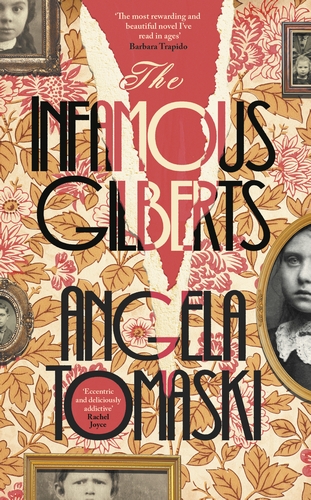
Angela Tomaski's "The Infamous Gilberts" is a dancingly captivating, mischievous, and heartbreaking debut about a dysfunctional family in a crumbling gothic mansion spanning the 20th century. Before Thornwalk, the long-term home of the Gilberts is handed over to a luxury hotel chain, Maximus, loyal guardian of the family's legacy, invites us on a final tour where every room holds a secret.
Sufiyaan Salam's "Wimmy Road Boys" is the unmissable debut from the 2023-2024 Merky Books New Writers Prize winner, a blistering story of masculinity, violence, and of course love. It follows Imi, Khan and Harris, three young British Muslim men, as they battle heartbreak, grief, and identity over the course of one surreal night spent on Manchester's Curry Mile.
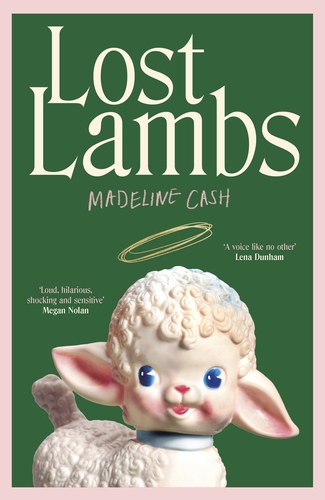
And finally, Madeline Cash's "Lost Lambs" is a brilliantly observed modern comedy about the spectacular implosion of the Flint family. Since their parents opened up their marriage, life has been disastrous for sisters, Abigail, Louise, and Harper. And casting a shadow over it all is Paul Alabaster, a nefarious local billionaire who sends the family hurtling into a criminal conspiracy.
Angela, Sufiyaan , and Madeline, huge congratulations on your books and welcome to Ask Penguin. Thank you so much for coming on.
Sufiyaan Salam: Thank you for having us.
Madeline Cash: It's lovely to have you.
Rhianna Dhillon: So, we've already heard a little bit about your books, but tell us about you. Tell us about your journeys to becoming published authors. Madeline, do you want to kick us off? Um um. You go first. Sufiyaan ?
Sufiyaan Salam: My journey to becoming published author, I was basically have been always writing since I was a kid. Or, you know, back then it was I was just lying a lot and you kind of making up stories, you know, making movies on an old camera phone. One instance, it was my grandad's funeral, me and my cousins were like, "Great, we're all together. Let's make a High School Musical rip-off." So, I was always and I was writing scripts for those things and so on. And so didn't necessarily know anything professional could come of it, but at a certain point I started I kept having these voices of these characters in my head on my commute to work. It was in Manchester. It was a tram. Super loud. You try to drown out the noise. And these three guys were just calling out. Basically shouting about the Curry Mile in my head. So, I started writing it. Um It started as a short story.
Rhianna Dhillon: Mhm.
Sufiyaan Salam: It won second place at the Bristol Short Story Prize. Or it lost against the first place one. Whatever. However you want to phrase it.
Rhianna Dhillon: No, it came second. They said they said one. So, um
Sufiyaan Salam: and after that I was like, "Look, this clearly worked." Not all the stuff I've been sending out just rejections or being ignored. So, let me try and follow this through a bit. I had more to tell. Those guys were still alive in my head. Maybe wrote about five or six chapters and then it was a little bit interest and then also rejections. I was like, "But I I swear the thing I've written must be I think it is good, but
Rhianna Dhillon: It is good. It's really good.
Sufiyaan Salam: you know, we'll we'll see. You know, this was this was an older draft, but I just had this thing I was like, "This I think this is good, so let me see what else I can do with it." And I'd seen Will Hunt had won the Merky Books Prize. Yeah. Basically saw an article with an interview with him, and I thought, "Oh, cool. Well, since as I have the beginning of a novel and no prospects as yet, let me just send this in." And I actually completely forgot that I'd done it until I got an email saying I'd been shortlisted. And then eventually I found out through Stormzy's mouth that I'd won, which was cool. And as a result of that, got a book deal, got to write the rest of the book. No one you know, I signed this book deal without anyone knowing what the ending was, which was great. It meant I could just do whatever I wanted, which was nice. Uh so, yeah. A bit of an unconventional journey in, but it's been fun.
Rhianna Dhillon: Yeah, very cool. Angela, what about you?
Angela Tomaski: Yeah. So, similar start in that always writing. My grandmother gave me a Brother word processor. So, this was a long time ago. Cuz, you know, quite old now. And um it had like a one-line screen and little floppy disks. So, I was trying to write a full-length novel. And uh you couldn't actually edit between the files. So, I had all these files on these little disks. Um so, writing for, you know, lots of years and lots of rejections. Hundreds and hundreds of rejections. And about uh 20 years ago went on a tour of a National Trust house and um had an idea for a book and started playing with it, and uh 20 years later I came up with this.
Rhianna Dhillon: Oh, that's incredible. So, yeah. How did you sort of keep with that story the whole time then? And were you sort of fiddling with it right up until, you know, this month or
Angela Tomaski: playing with different narrators and uh and different just different view points. And then I mean, I was writing another book and then I had a character and I thought, "I'll use this character to be the narrator for that story." Um so that I wrote it the whole thing again from, you know, using his voice.
Rhianna Dhillon: From Maximus's perspective? Okay, so that wasn't originally the plan?
Angela Tomaski: No. No. You know, I I tried writing it from Annabel's point of view, but um, you know, she's one of the characters in the book, and of course there's um she's quite a quiet passive person. So, perhaps, you know, it was a lot of wondering around and looking at dust and things like that, you know. So, she wasn't very dynamic person. So, I felt I'll try again with this Maximus person and uh and see what happens.
Rhianna Dhillon: Yeah, it worked. Amazing. Madeline, what about you? Ready?
Madeline Cash: Yeah. Yes. Um it's shockingly similar, both of you. I always was a writer or always writing. Like, it just was the thing, like that ineffable thing that makes you do something, which like, in retrospect, I guess I wish I had that ineffable thing for like investment banking or like coding, but it was writing. Like, to my mid mother's dismay.
So, I moved to New York and I ran a small literary magazine and was sort of working tangentially to the literary world there. Also like, wrote this book on nights and weekends. And then I tracked down my editor at FSG at a party and essentially begged him to read it, and he was like, "This is really unprecedented."
Rhianna Dhillon: Really?
Madeline Cash: Yeah. Yeah. And I I really wanted to be at this publishing house. I read FSG, which is the American publisher. I read their books growing up. And um I don't know, I had it in my head. I wrote in my diary when I was 19. Like, "One day you'll publish a book with FSG and like maybe your boobs will grow a little bit more." It's like like the former happened, which is so crazy. And I was um yeah. I like I kind of just made I followed him and made it happen and now, here we are. And then you guys picked it up and I'm so happy to be here.
Rhianna Dhillon: Yeah, and then what do you say you um was it Waterstones that just had like a wall of your books?
Madeline Cash: Yeah. They had it was like a 10 ft foot lamb in their um their like flagship store there, which was it's been so crazy. The reception has been mind-blowing.
Rhianna Dhillon: Um we've got some really good listener questions today. I mean, one of the uh start off with this question from Bev, who asked, "Which author inspired you to write?"
Madeline Cash: Um from the beginning, I think like, more of these sort of sardonic comic writers, like David Sedaris was really influential to me, and George Saunders, um Donald Barthelme. Like for my high school graduation present, I went to a David Sedaris reading. I was not very popular and like I yeah, I think like, learning to I like learned to like cultivate and refine humor from people like that.
Rhianna Dhillon: Right. Yeah, interesting.
Sufiyaan Salam: For me, man, there's two answers would be when I was a kid, it was like Roald Dahl. I won a copy of The Twits out of a cereal box. I assume they were doing a promotion, but I might have just popped in there. Um and yeah, that that it was my fir, you know, I remember the bio of him at the back and so on. I was like, "Oh, cool. So there are writers in the world." and uh was cool.
And then really as an adult, when I was probably about 17, 18, I I read a bunch of Salman Rushdie novels and not like I claim the guy now, but at the time I think it was quite important to his use of language was like crazy, and he was sort of doing something new to the English language. Or at least for me as an 18-year-old reading it, like, "Oh, okay. Cool. He's kind of using all aspects of his identity to kind of remix and reform what a kind of Dickensian-style novel can be." So, I think that's they're the two for me.
Rhianna Dhillon: Yeah.
Angela Tomaski: In terms of inspiring me to write, my father used to write stories and I remember him filling up these little notebooks and we would gather round his desk and listen to him read. And um he used to write about about us. And um I remember thinking this was amazing that someone I knew could just scribble in a notebook, and I would imagine myself being somewhere else. So, the power of of that, just an ordinary person what they can do with a few words. I think that was what inspired me most.
Rhianna Dhillon: Yeah, wow. And you said us, how many of you were there?
Angela Tomaski: I'm one of five children.
Rhianna Dhillon: Wow.
Angela Tomaski: Mhm. Yeah. So, there's there is like a you're writing about a family as well in your novel. Yes, that's right. Well, you know, um I'm quite lazy so I use an actual house and an actual family dynamic. You know, this sort of, you know, very different characters, but just using an established dynamic so I can kind of just, yeah, borrowing lots of things.
Rhianna Dhillon: I mean, we'll probably we'll kind of delve into that a little bit more in a minute, but I mean, all three of you have like such a distinctive voice kind of throughout your novels. So, did that come to you but like before the writing process started, they sort of like eventually shape themselves into what they are now? Angela, you've sort of already touched upon this a little bit with how Maximus came to you, but also just like the voice of Maximus. Tell us about that, about why he was the right person to lead us through the story.
Angela Tomaski: In terms of who he is, I needed someone who was, you know, quite close to the family so that they would um know what's going on. You know, they have access to all the secrets. But also I wanted him to be a little bit more removed, so he wouldn't have, you know, he feels free to disclose all those secrets, you know. He doesn't he doesn't need to worry about that. Whereas, some of the other family members there are going to be things that they're not going to want to say.
Rhianna Dhillon: Sure.
Angela Tomaski: And he was someone who was quite disgruntled and and cross about something that was happening. So, I it it went from there and then it sort of morphed into sort of, you know, Ian McKellen, sort of. And uh so I had a kind of Gandalf figure in mind. So, half me, half Gandalf. And uh I thought that would be a, you know, imagine Gandalf telling your story. That would be good, wouldn't it? So,
Rhianna Dhillon: That's brilliant. That's great. I really hope people go into this now with Gandalf very firmly in their head. Uh Sufiyaan , what about you?
Sufiyaan Salam: I mean, for me, cuz I'm a a screenwriter as well, and for me the difference between I think prose and screen is uh films and TV stuff for me starts with images, whereas uh prose is it's kind of like the uh the voice and the language kind of forms first.
Rhianna Dhillon: Mhm.
Sufiyaan Salam: But for me, it was interesting. I'd forgotten this until I recently re-read it in an old journal, but um the conception point for "Wimmy Road Boys" was, so there was this one day, I think I don't know, whenever it was, February 2022, I started reading Ulysses for like the uh uh my third attempt at trying to read the thing, uh which actually I didn't finish it, but it's good.
Rhianna Dhillon: Oh good. I think you're joining ranks with people who haven't finished it. There's only so many hours in the day, you know. Um,
Sufiyaan Salam: but yeah, so started reading Ulysses and then that night I went to this sort of Pakistani rapper's gig and it was sort of like a bit of a shambles kind of thing. It was a dude who was uh just like stopping after every the first verse and then he just quit and go on to the next one. But it was really interesting cuz uh I didn't realize at the time, but I started basically writing the the first version of it the next day.
And I think the the language of both, yeah, James Joyce and this rapper, his name's Frenzo Harami, shout out. Um, kind of melded in my head and it just felt to me like a true, I don't know, stream of consciousness almost expression of these kind of guys and it felt very true to my own sort of inner voice and also the almost like the code-switching nature of how I am when I'm talking to the boys versus, you know, when I'm on a Penguin podcast. And so on, you know, as I was interested in actually the the energy of that.
Rhianna Dhillon: Yeah. Yeah. The code-switching is really interesting, and again, we will delve more into that in a little bit, but, Madeline, what about you?
Madeline Cash: I guess I just wanted there to be this like contained world where like I'm having trouble describing it. Um Okay. There is this American movie called Snakes on a Plane. Um
Rhianna Dhillon: Yeah, I'm a I'm familiar.
Madeline Cash: And on it, there's like a plane and there are snakes.
Rhianna Dhillon: There are. Yeah, that's definitely true.
Madeline Cash: And and zoo. Um and there's this part in Snakes on a Plane where um this flight attendant is like wrestling with a snake and she shoves it into the oven. Or the microwave. And on the microwave, there are three buttons, and one says like coffee and one says popcorn, and then one says snake. And um I feel like that's kind of what I wanted with the book for it to have like these like snake buttons. Like, things that could only exist in the world of the book, you know? Like, um like it just is being this like self-contained universe that like would fall apart if not in in its own content.
Rhianna Dhillon: I love that, and I was not expecting you to pull Snakes on a Plane out of your back pocket.
Madeline Cash: Just a deep literary reference for you.
Rhianna Dhillon: It's no Ulysses, but um how did you land on the narration?
Madeline Cash: The um kind of ping-ponging narrators, I don't know, maybe it's that I'm like fickle and got bored with one or like wanted to just have the story be told through these like through different lenses, but still be progressing and linear, and um kind of was a challenge. I had to timeline it out really carefully, like a lot of preparation went into it. I made like a whole spreadsheet so that like it would I felt like fiction is already a lie. You don't want to like remind the reader that you're lying to them. So, I wanted it to like not to just be like really air-tight, which was difficult with all of the different voices, but I don't know, I thought it was kind of a fun challenge.
Rhianna Dhillon: Yeah. So, you used a spreadsheet to kind of lay it out?
Madeline Cash: Yeah, and I used like a wall too. Like, I put like post-its, and like like a murder like tracking a serial killer like Seven situation, but I also have been like really taking advantage of the uh technological advancements that we have at our disposal and like making like I made like a Figma board to timeline it.
Rhianna Dhillon: A what board?
Madeline Cash: I don't know. It's some stupid app where you can like people like creative directors use it. You can just like align things really well and make like networks. And so, I did that for the like the town to see like where things might geographically be, like the church in relation to the school, and like could you walk, and you know, that
Rhianna Dhillon: So interesting. That's so cool because it's actually, you know, thinking back about "Lost Lambs," I can visualize it so well and it is such a community. And you have that. Yeah, you can you can feel it.
Madeline Cash: I wanted to put it in, but the editors were like, "It's not like Eragon. Like, you can't have a map in the middle of your family novel." so I didn't have it.
Rhianna Dhillon: Well, you could have.
Madeline Cash: I know. It's true. Right?
Rhianna Dhillon: Um what about you? Do you have like a because, obviously, there is like a lot of there are lots of little events that go on in "Wimmy Road Boys," and did you kind of were you able to keep track of all of them?
Sufiyaan Salam: Yeah, so I mean, it began really as a long Google document sort of sheet. I had I think this thing is now 200 pages long, this Google Doc sheet, and um I mean, there was like some incredibly stupid ideas that I was just putting in there. There, at one point, there was going to be a Back to the Future parody.
Rhianna Dhillon: Oh my god. Um,
Sufiyaan Salam: which didn't make sadly, didn't make it in. Maybe one day. Um, but I was just constantly going through it, adding whatever idea I could. I really have my mantra is uh just come up with bad ideas and just take them seriously. I think that's how you make something good. Um I had no idea how to start, so I was um I was trying to make even Excel sheets of an outline and so on and highlighting things, and for some reason at one point, I did a color coding like emotion thing, which I then abandoned.
My thing was I was just constantly making outlines and then never reading them back and just hoping that the good stuff would just stick.
Rhianna Dhillon: Would stick, yeah.
Sufiyaan Salam: But really what I had in the end was uh sort of a bunch of set pieces that I knew would happen in the book, and I was kind of freestyling through a lot of the rest of it. And occasionally, you know, you're like, "Man, this uh last 20,000 words doesn't work, so I'm going to have to X that and and start again." But for the most part, I knew I always knew where I was going as well with it, so yeah.
But it is funny, the some of the continuity errors really got me in the end. I so there's a so the car that they're driving is specific BMW from the '90s. I bought a toy version of it before I handed in my third draft.
Rhianna Dhillon: Uh-huh.
Sufiyaan Salam: And as it arrived, I realized, "Oh, there's no like back door to this car." But, um yeah, uh and I just I got a lot of characters going in and out of the back door. So, I just Command F back door, hoping hoping uh to get rid of it. But, you know, that's why it's good to just buy toys.
Rhianna Dhillon: Yeah. Wow. What's an emotion chart?
Sufiyaan Salam: Oh, I I don't know if I've invented this or what it was. It wasn't useful, but I just had a like different colors for each chapter when I was first beating out the thing. So, I was like, "Look, the red is, you know, there's going to be rage in this one, and then, ah, this one's not too bad. It's like a light green."
Rhianna Dhillon: Just like how what color the chapters felt to you?
Sufiyaan Salam: Yeah. Yeah. Oh, that's cool. Uh yeah, I mean I never looked back at it, so it's kind of useless. But, it's fun, you know, it's fun to to mess around with.
Rhianna Dhillon: I want to read Back to the Future, too. Yeah. I love the idea of you having like a parody within this because if there was any book that I could imagine having bloopers, it would be this. There's like definitely a blooper reel in your book somewhere.
Sufiyaan Salam: Sure did. Well, the Back to the Future thing is cuz, you know, you re-watch Back to the Future. What a classic, and then you're like, "Oh, okay. The beginning's kind of racist with the the character of the Libyans." I was like, "Imagine if you just had a you're just doing a role reversal thing on the Curry Mile." And then, uh wisely, I realized, not really the story I'm telling right now. It might be good somewhere else.
Rhianna Dhillon: Um, Angela, tell us about like, kind of plotting out, again, the geography of that house, because we are literally going on a tour around it, which is brilliant. Yes. And so, you have to be incredibly visual, as well. So, how did you map that out?
Angela Tomaski: Yeah, again, I'm just, you know, really lazy compared to everyone else. I just I've never heard of all these things. I just I just used an existing house. You know, I just I thought, "Okay, I'm going to set it here." And I went on, you know, visited it a lot and I had books which had uh, you know, uh the the layout of the rooms, you know. And obviously, I just remembered it from multiple visits. And I just used that. You know, that's it really. And um, yeah. And um because it's not just the house. We are kind of going into like, cottages around it. It's an estate. And there's an estate. There's, yeah, there's all all of that's there. The saw mill and everything. It's just there. You know, I just I just used it. I mean, I don't know if you're allowed to do that, just steal stuff. I don't think anyone's going to come after you for that. No. Anyway, yeah, so, yeah.
Rhianna Dhillon: Well, I think that's what's so interesting about your book is that you don't just kind of get the layout. You get the smells of everywhere, which is brilliant.
Angela Tomaski: Smells are very important, aren't they? That, you know, I think because it was inspired by this a tour I went on and I could I remembered the smell of the room, the first room with the soap um and dust. And you and you do think, gosh, you know, what's that smell, you know. And then you try and pick it apart, you know. It's probably been a little bit of taxidermy there and, you know, this old pair of slippers, but they're so evocative, all these smells, like, you know. So, um yeah.
Rhianna Dhillon: Were you noting them down as you were walking around? Or did that come back to you later?
Angela Tomaski: No, but I mean, at the time I didn't have, you know, as I was there, I didn't have that idea. I mean, I guess I just I think I trust my brain to just absorb things. Now, I'm um, I mean, I wrote a book once where when I was at university I was filling up just writing notes and filled this huge great big um file. And then when it came I had time to to write it, I was trying to piece these notes together. Um, and I swore, you know, I nearly drove myself mad. I swore I would never write like that again. So, now I tend to try to just convince myself that my brain's just doing the work in the background and then I'll just it'll just come out. You know. Yeah.
Rhianna Dhillon: Um, and also each chapter of "The Infamous Gilberts" is named after like an object or an imperfection or, you know, bits of blood or whatever. So, tell us about pulling those out. Why did you decide to use that as a device for telling the story?
Angela Tomaski: Because these were the things that were going to be lost, and these are the things that are lost in life. But these are the things that hold most meaning. And I think we're starting to realize that now that these are the important things in life, the things that were held by someone. You know, um, you know, the things that interested me when I went on the tour of the house, you know, the little marks in the blotting pad, you know, and you want to kind of, you know, put some charcoal on it and find out what he wrote, you know, and things like that. So, those were things that were, you know, most important to me. Those were things that were going to be lost.
Rhianna Dhillon: Yeah. It really made me think about like, my own house. Like, if a stranger was moving in or just kind of walking around, and they're looking at it cuz, obviously, it's about a hotel taking over. So, they're looking at it through a very specific eye. But if you're looking at it from a family perspective, what is the impact of a family having lived in this house for decades? And, yes, you've got an old gothic mansion, but also our own a flat that we might live in or
Angela Tomaski: And in a way, the the gothic mansion, the fact that it's this big house and everybody likes a big gothic mansion, it's really just a a frame to what is really a very ordinary, sort of, domestic situation. You know, these are ordinary children. I know, ev- everybody, you know, they're a little bit eccentric and but I think that, you know, it could happen anywhere really. And I just wanted to give them that frame because you'd feel very differently about um these characters and about the story if it was in, you know, a a concrete council house c- or something like that, you know.
Rhianna Dhillon: Sure.
Angela Tomaski: So, it was really it was fun to be in. It was fun to p- to play with. But a lot of the objects are quite, you know, simple, insignificant things, like a a button or a pine cone, things you could really find anywhere. I know there's a taxidermied moose head, but um, you know,
Rhianna Dhillon: What, you mean you don't just find that, like, randomly in people's houses?
Angela Tomaski: No. They're so big, you know. You'd have to have quite a big house to put your moose head in it. Um, initially, it was a taxidermied moose, and I think one of the editors said, "Could we just make it a moose head?" Not on a whole moose. And I thought, "Yeah, that's that's true." But also you could have these sort of, the contrast between these insignificant little objects and something quite profound happening or something quite sad. And it's a way of sort of lessening the impact of that darkness by having something quite silly.
Rhianna Dhillon: Yeah. Yeah, that's really beautiful. And, Sufiyaan , I like in your acknowledgements, which it was amazing, you kind of did a little thank you to your year nine English teacher for inspiring you to write in the voice that you speak at home. And I wondered about like, the introduction of like, the musicality. How does that um naturally flow into that voice?
Sufiyaan Salam: I mean, I kind of always say, I I look, I would have loved to have been a rapper, but I'm just terrible at it. Um, I can write, but, you know, sadly the performance kind of skills are lost. So, um, I guess I've just always existed around, one, like music from different genres, but also I grew up, you know, listening to so, we used to pray the Quran, and I I never learned to understand Arabic, but we we learned to read Arabic and to recite in Arabic.
So, um, you know, being around recitations of the Quran, um Bollywood music, so on. You're kind of introduced to a lot of different kind of musical numbers and influences, but without necessarily there being uh literal language you need to understand. You sort of start to understand a lot of music. Like I don't know, I'm like that last Rosalia album, I think there's 13 languages. I don't speak any of them, but I kind of get what's going on, you know. I feel it.
So, um, it just felt to me very much uh the kind of rhythm was just innate with these. You know, the characters in the book will have grown up with the same influences as me.
Rhianna Dhillon: Mhm.
Sufiyaan Salam: There's a flashback where we see two characters freestyling in the park, which is, you know, sometimes we'd, when I was growing up, I'd skip prayers to, you know, we'd just be in the park and um, just freestyling. And again, I was terrible, but, you know, sometimes you come up with a bar and it's like, cool. Um, I'll write that one down. Also, Manchester itself is a very kind of musical city. There's a sort of tribute to Oasis?
Sufiyaan Salam: Yeah, there's a there's a Greek chorus in there that's basically a tribute Oasis um cover band.
Rhianna Dhillon: Yeah.
Sufiyaan Salam: What's funny is, that was originally, the first draft of that was some really pretentious like uh I was doing like a Brechtian thing, uh and then I was like, "You know what? It's set in Manchester. Why are we doing why are we trying to act all clever and stuff when actually, you know, I could just do a Wonderwall parody." Which is what I did.
But but again, Manchester is just musical. Uh you know, as you're walking past you know, you might walk past a Lebanese joint and then a Pakistani one, and then you know, Turkish place and and you're just hearing all the different songs from those countries sort of splashing out all at once.
Rhianna Dhillon: Yeah. Yeah. Um, Angela, what I love kind of so much about "The Infamous Gilberts" is the fact that you have this family, and you you think that you have a favorite character and then you kind of go along with another character and then you fall in love with them, and then you go along with another one and you fall in love with them. And do you Is this like asking you to choose between your favorite children? But do you have a favorite character?
Angela Tomaski: I'm very fond of Hugo, I guess. Because I think he he tries so hard and he, you know, he doesn't stop trying. He tries right to the end, you know. He doesn't give up. And and because he's trying and because he stays and tries, he fails more. It's very easy to, you know, to walk away, and then you don't fail. And the ones that stay, you get blamed for most.
Rhianna Dhillon: Oh, it's very moving. It's very, yeah. It's very sad and very moving. "The Infamous Gilberts." Um, what about you, Madeline, in terms of your because you have three sis- I've never had a sister. I don't have a sister.
Madeline Cash: Me neither. I don't.
Rhianna Dhillon: Oh, you don't either? Okay, so this is really interesting. You've written a story about the dynamic of three sisters. That must have been so much fun to come up with then, if you weren't really kind of going on anything personal. You were just like, "I'm going to throw these three characters in a room and see how horrible they are to each other." Or how much they love each other.
Madeline Cash: Yeah, definitely. I mean, the whole thing, I'm like, everything is a work of fiction. I really wanted to challenge myself to make um to try to pull nothing from my own life, which is, of course, impossible. But, like, to the point where there are no proper nouns in the book. Like, I've made up like every the name of every like business and medication and dinosaur and like a anything that could possibly be related to the real world.
But also, yes, I'm an only child and the sibling dynamics were completely invented. So, I hope authentic. But um like, it was just kind of figuring out what they might say to each other, what like different versions of like myself through adolescence might respond to another version. But I don't have the um like, a parallel to draw from.
Rhianna Dhillon: Yeah. Do you have, again, the same question to you, do you have like a favorite? Or did you have one that was a favorite to write more of their perspective?
Madeline Cash: Uh, the youngest daughter, like the most precocious character was Harper.
Rhianna Dhillon: Harper, yeah.
Madeline Cash: She was the most fun to write cuz a lot more research went into her, and I you know, she's much smarter than I am. So, I'd say she was the most fun. But then like I don't know, I feel like different affections for different characters. Like, I really liked writing the priest too, who's not even like a major character. But um and yeah, I don't know.
Rhianna Dhillon: Father Andrew.
Madeline Cash: Father Andrew. He's got such um he's so brilliant because in his head he's kind of he keeps being like berated by this shrink that he sees for being a misogynist. Um like from the very beginning and it's just it's so funny cuz then you're kind of questioning it the whole time and going, "But if he's aware of it is he mis- Did you write him as a misogynist?"
Madeline Cash: I don't know. I just wanted everyone to be imperfect and to sort of have this like moral baseline, which I base in the the Catholic Church but could really be like any ideology. And then have them like, respectively depart from it. And every time they start to fall into some sort of trope, they sort of subvert that. Like, the priest is really into like traditional values and French cinema. And like, you know, like they each Yeah. Or like the soldier is supposed to be like stoic and quiet but just has like horrible IBS. And like it's that's why he's quiet.
Rhianna Dhillon: Walk right in with, which is again such a great name. Um, okay. We've got a really great listener question. They ask, "For anyone listening who dreams of becoming an author, what is the most essential step to becoming published?" I wonder if you'll have like different ideas about this.
Madeline Cash: I think you have to be kind of delusional, honestly. Like
Rhianna Dhillon: That's a great answer.
Madeline Cash: Um, like you have to so like believe in yourself and your vision to like an to an unrealistic extent cuz no one's going to do it for you. Or at least in my experience, like you have to be like your own greatest advocate. And to do that like yeah, you have to like delude yourself a little bit. But um, yeah, in my experience, like it can work out.
Rhianna Dhillon: Yeah.
Angela Tomaski: Yeah, I I agree with that completely. I mean, it seems to be the answer to so many things is confidence, isn't it? Everybody says confidence. And you just think, "Well, that's really unfair because, you know, I don't have any." But it is. That's the secret, isn't it? And like you say, no one else is going to do it for you, you know. You have to be the one that steps up and says, "I think this is good," and then hopefully you convince other people.
Rhianna Dhillon: Backing yourself. Um, Irama has asked, I guess, kind of along similar lines, but about how do you motivate yourself to finish the manuscript?
Angela Tomaski: I think finishing it is the best part. That what you need is motivation to write the beginning or write the middle, the when it gets kind of tedious. Um, so finishing it. I mean, I would just um I only allow myself to have one cup of tea a day. So, I have it first thing in the morning and that gets me out of bed. I think, "Okay, I'm going to go have my cup of tea." And so I get up nice and early and it's nice and quiet and that's when I write and I have my cup of tea. And so, you know, just little things like that, like little rewards motivate you just to get get yourself on the chair, you know. That's And that's that's the most important thing.
Rhianna Dhillon: I love also, just it's so lovely that it's such a simple thing, a cup of tea, but that's the thing that gets you out of bed.
Angela Tomaski: Yeah. It doesn't need to be like a massive That's right. Yeah, if you if you're strict with yourself and you say just one cup of tea. Something very simple, yeah.
Madeline Cash: I agree. The when it starts to feel like a slog though, when I feel like it's boring to write, it'll probably be boring to read. So, that's when I try to like subvert or like look at whatever I'm writing and be like what what's not working, or why am I not getting enjoyment out of this? Cuz then like it probably won't be providing any. Um and yeah, just like try to find ways to like keep making it fun. Kind of like any relationship, I guess.
Sufiyaan Salam: Sometimes you start to overcomplicate these things for yourself. It's like, "Well, what if it was easy to write a page a day or something?" And what if it could be terrible, and I'll just fix it tomorrow. And then, you sort of for me, the stuff I think is genius as I'm writing it, next day you're like, "God, what was I thinking?" And there's this some stuff that just comes out quickly and I'm like, "Oh, okay. It kind of fits." But I think it's it's just uh, yeah. It's just that um
Angela Tomaski: That's the worst, right? When you've written something and you're like, "I'm a genius." and then you re-read it and you're like, "Oh."
Sufiyaan Salam: You're like, "Damn. Yeah."
Angela Tomaski: I think you're right, trusting yourself that you can fix it. Even if it's bad, it's something on the page and you can do something with it. If there's nothing there, you can't you've got nothing to work with, you know. You can't.
Rhianna Dhillon: That's a very good point.
Ad Voiceover: Whatever the kids are into, reading makes it come alive. Because if they like a pop princess, they'll love a Fairy Queen's audiobook. "She turned the naughty prince into a slimy frog. Ribbit. Ribbit." Off again. And they might like online reels. "Unboxing the new T-Rex." But nothing reels them in like a bedtime story. "Suddenly, a big green jaw went roar!" If you live it, read it. Go all in for the National Year of Reading.
Rhianna Dhillon: Now, just before we answer some more listener questions, it's a very big year for books. We're celebrating the National Year of Reading, which is a huge campaign basically designed to ignite people's passion for reading and books or re-ignite. Um so, we wanted to ask you, which book sparked your love of reading? So, I know we talked earlier about authors that might have inspired you, but was there like one book when you were younger that you absolutely loved?
Madeline Cash: I read "The Little Prince" a lot as a kid. Um that really resonated with me. I read "A Wrinkle in Time" quite a few times, too, which like only as an adult did I realize was kind of like a condemnation of like communism. But I just was it was like it was a lovely time travel story. Um yeah, and then it like it pro- it got more literary from from there, but
Rhianna Dhillon: Yeah, yeah, yeah. I mean, still very literary. I got to interview Oprah for that. What? Wait, really? Yeah. Oh my god! That was pretty cool. That's pretty cool. You're Um, and tell us what your favorite habit to fit reading into your life is. Cuz, I guess, some people, especially when they're like in a slump or they're busy, you know, you might not it's sometimes just quite hard to pick up a book. So, how do you make sure that you can?
Angela Tomaski: When I'm in a reading slump, I think it's picking up a collection of short stories or or or even like a play or something cuz it you can just like, "Ah, this isn't going to take long." Um I bought myself a really nice armchair. Oh. Just And um I put it in the corner in a good place, you know. It's really It's just you know, it was just second-hand kind of armchair, and I have a stack of books and a good light, you know. And so, that's my little reading zone, you know. And um that is a relatively recent thing, but it was. I was thinking, you know, I'm not reading very much. My eyes are not as good as they used to be, so make sure you've got a pair of glasses and a really good lamp, you know. And then it's all ready for you. So, that I think that's a good idea.
Rhianna Dhillon: That's amazing. With like your one cup of tea?
Angela Tomaski: Yeah. Yeah. A cup of tea and a blanket. Yes, the blanket is very important. Everything ready. And I always have my blanket when I read, always. And that makes it sound like a security thing, but it's just it's cozy.
Rhianna Dhillon: Yeah, cuz you're not moving around so you get cold, so you got to have a blanket. Yeah, I'm on the same page. Um okay, finally, what is next for each of you? Should we go around? Angela, do you want to kick us off?
Angela Tomaski: Um well, I'm working on a couple of different things, so um I'm working on a another story with kind of some eccentric siblings again, you know. Just that seems to be what I warm to and um longing for things that you can't have. And this, you know, they're longing for their father and again, it's something similar so it tends to be something I write about. Oh yeah. Something you're clearly drawn to. Dark, horrible things, sorry.
Rhianna Dhillon: Don't apologize. It's great. Um, what about you?
Sufiyaan Salam: Yes, next. I mean, I'm I'm working on a bunch of there's like a couple film and TV things I'm developing, but there there's one feature film in particular, I mean who knows what happens with these things, but uh that I've like really is the the big project I'm like really wrestling with at the moment.
But in terms of book stuff, I've been so like promiscuous with book two ideas, and I keep, you know, falling in love with something and then then you write the first chapter. It's like, "Ah, no. I actually I just want to read that. I don't want to write it." But I think, yeah, I think the my I have something now. I'm not going to say cuz I maybe I'll change my mind, but um the idea is to do something I guess you guys aren't expecting after you've read that, so that's the that's the challenge. Oh, okay. Nice. Nice. What?
Madeline Cash: Well, I was like at working on relaxing, but I like I hate like going to the spa or getting massages and my publisher said to like go on vacation, like go to the Caribbean. So, I went to Warsaw to like look at Soviet architecture. And like I don't know, I found that like the best way of relaxing it ended up just being like writing. So, I wrote another book and I just showed it to you guys and I'm so excited to be working with Bobby again and is Ian and Eloise shadow. So, I'm so excited.
Rhianna Dhillon: Oh, incredible! Congratulations.
Madeline Cash: Thank you. That's amazing. Oh, I can't wait for this. Me, too. Who needs the spa? Yeah, no. Not Not for me, it's gross.
Rhianna Dhillon: So, Madeline Cash's "Lost Lambs," Angela Tomaski's "The Infamous Gilberts," and Sufiyaan Salam's "Wimmy Road Boys" are available now wherever you buy your books. Madeline, Angela, and Sufiyaan , thank you so much for coming on the podcast, but don't go just yet because you're going to stick around to answer listener questions, right?
Sufiyaan Salam: Yeah.
Rhianna Dhillon: Excellent, thank you. Woo! Okay, our first question is, what novel would you recommend in the same genre as your debut to read next? That's quite a hard one. And also that's quite like here's the competition. Do you have one?
Angela Tomaski: If you recommend something sort of, you know, classic, you know. I know, I know. I was just thinking that, you know. It sounds kind of pompous, but like, I mean, I think um "Cold Comfort Farm" I was thinking of recently, because um, you know, it's got a little gothic feel and but um it's happy, you know. It's um has a a good positive ending and um, you know, cut through all the doom and gloom, um you know. We've all seen something nasty in the woodshed, and it's time to move on, you know, that kind of thing. So, I think it might be good to follow the darkness with something nice and light. "Cold Comfort Farm" by Stella Gibbons.
Rhianna Dhillon: Brilliant, thank you. Um, Sufiyaan ?
Sufiyaan Salam: Yeah, I I don't know if it is exactly the same genre, uh cuz it's a bit autofictional, but Gabriel Krauze's uh Who They Was, I think it's an incredible why it's an incredible, but it's kind of doing similar things with both its language and the kind of uh, you know, it's very different but this kind of examination of masculinity. The main character's kind of juggling doing Macbeth lectures at uni and then turfing someone out in a in a gang war at that night and so on. So, it's uh so like a real wild read, and like incredible. So, I'd say that, yeah.
Rhianna Dhillon: Say, it's not going to be a comfort read, but It doesn't need to be. Um,
Madeline Cash: I would say, A Children's Bible by Lydia Millet, if you want another like sort of optimistic "the children are our future" kind of like, tale at the end of the world. Um, and then for like the absurdity aspect, uh Donald Antrim's The Hundred Brothers or Vernon God Little by DBC Pierre, or Donald Antrim's The Elect Mr. Robinson for a Better World, which is a really really silly book.
Rhianna Dhillon: Love that. That's great. Tell us why.
Madeline Cash: Um, I mean, I don't know because Delillo and like his work ranges on a wide spectrum, but um, I would recommend Mao II, which is um, a a great one, and then like from like the Pynchon canon, I think Bleeding Edge is actually quite a uh slept-on book.
Rhianna Dhillon: Tell us why.
Madeline Cash: Um, I mean, I don't know because Paul Thomas Anderson hasn't adapted it yet, I guess, but honestly, it's just like, really uh fantastic narrative. It's really funny. It has like um it's very like predictive. Like, sometimes these books that I read from decades back, I'm like, "Wow, you really like nailed what our what our future would look like." yeah, and it that it's kind of bleak, but, yeah.
Rhianna Dhillon: Great, love that. Yeah, Pynchon especially is just just writing about now, man.
Sufiyaan Salam: Yeah, I mean, I know what you mean. Uh for me, the yeah, I'm a big Hanif Kureishi fan, and I think the first one of his I read was The Black Album. Think it's his second book. Um, and doesn't get talked about as much as, say, The Buddha of Suburbia, but I think it's just incredible how it's like very it's kind of got the same sort of seediness feel as My Beautiful Laundrette. Um, I think it's late or mid-90s tale, but, you know, about hedonism and kind of the usual Hanif Kureishi sex and drugs and a sprinkling of Islamic fundamentalism, and it's it's uh, I think it's incredible.
Rhianna Dhillon: Yeah. I just love his writing at the moment, like just talking about like his recent experiences and uh, just it's he's so moving. He really just brings you into his in through his eyes.
Sufiyaan Salam: Yeah, I mean, that's like a real writer.
Rhianna Dhillon: Yeah, yeah. Through his blood. Yeah, yeah, incredible. Angela?
Angela Tomaski: It's not underrated at all. It's like a masterpiece, but I just it was something that um, I don't know that I never speak to anyone who's read it, though it really, you know, I keep wanting to find someone who's read it, and that's um Knut Hamsun's Hunger. I don't know, I mean I just never find anyone who's read it. But, I think it's, you know, just an amazing story. Really inspiring to me about, you know, just showing you just, you know, what you can write about, you know. What what it's so okay to to have as subject matter, you know, because it's really only just this this one guy, you know, starving to death somewhere and um it's somehow beautifully done. So, it's one of my favorite books. There's very few books that I can I really can re-read and that's that's one of them. So, I just thought I'd mention that.
Rhianna Dhillon: That's a great one. Go read it and then uh message Angela about it, so you two can have a dialogue. Basically. Um, okay, the next question um is, "I'm currently going through a reading slump, so we were just talking about reading slumps, but can you recommend a book that's going to get me out of this rut? Fiction only."
Madeline Cash: Um, The Nix by Nathan Hill, which is a propulsive narrative, which I think you really need to get out of a reading slump. And it also has a ping-ponging narrative and is a generational saga, so there I just feel like there's kind of something for everyone in it, yeah.
Rhianna Dhillon: The Nix, as in like the New York Knicks? Or
Madeline Cash: Like, N-I-X, The Nix. Okay.
Rhianna Dhillon: I was just trying to make an American, like, reference there. I don't know anything about I don't even know what sport that is.
Madeline Cash: I don't either, unfortunately.
Rhianna Dhillon: Is it baseball? Yeah. Okay, great. I do know. Sufiyaan ?
Sufiyaan Salam: Yeah, I I'd say uh weirdly, the first Game of Thrones book, which is, I don't know how long, it's super long, but it's weirdly, George R.R. Martin was like a TV writer back in the day and so on, so he's really good at like every every chapter ends with like a bit of a cliffhanger and is actually very pacey, even though it's you feel good cuz you've read a 1,000-page thing, um yeah, and it's and it's fun and kind of, I mean, you guys know Game of Thrones, so it's you know what to expect.
Rhianna Dhillon: Yeah. I guess that's an easy win, like if you if you know that you might be interested in that.
Sufiyaan Salam: Yeah, yeah. But, even if you're not, just uh give it a go. Give it a go. Good. Game.
Angela Tomaski: So, I thought I was going to recommend something, you know, joyous and and uplifting like, you know, P.G. Wodehouse. Yeah. Yeah, no. Do, yeah. You know. So, I I looked through my P.G. Wodehouse, and the Stiff Upper Lip, Jeeves begins with "I marmaladed a slice of toast with something of a flourish." And I thought, you know, that's very cheerful, isn't it? That's great. You know, and that's just classic, and it just goes on and on and on. And um, you know, really playful language and it reminds you what you can get from a book that you can't even get from, you know, Stephen Fry and Hugh Laurie because, however amazing they are, there's so much more in the book. There's no marmaladed. So, yeah. It's just just so, just the playfulness of the language is incredible, so I I think that reminds you, you know, why we love to read.
Rhianna Dhillon: That's such a great recommendation. I really like going to the past, like really going to the past, to to remind yourself why these are classics. Yeah. And why people have loved them for such a long time. Yeah. And finally, which author's whole catalog would you recommend reading to learn the art of writing? That's quite a tough one, cuz I feel like you could take any writer and argue the case, but which one do you think works for you?
Madeline Cash: David Foster Wallace, because it's, unfortunately, quite a brief catalog and it also spans fiction, short story, and essay. Mhm. And I think there's like a really clear evolution in the writing. Um and, yeah, I think it's masterful.
Rhianna Dhillon: Sufiyaan ?
Sufiyaan Salam: Yeah, funnily, I I was going to say David Foster Wallace, as well. Uh, I'll switch to he's not technically an author, but I actually think Paul Thomas Anderson's screenplays, mm. uh does just teach you quite a lot. Um,
Rhianna Dhillon: Which one's your favorite movie?
Sufiyaan Salam: Uh, favorite movie, maybe The Master. Um, I really like Magnolia, as well, and The Master's my worst. The Master Okay. Re-watch, it's good. Um, but the script the script is incredible, as well, though it's very different. Um, In the mix of that, you have you have Punch-Drunk Love, which is a rom-com with Adam Sandler, and it's like incredibly beautiful. You have, you know, There Will Be Blood, which is a Pynchon adaptation set now. Uh, specifically the character stuff, you just even when it isn't like a Oscar-winning actor performing the dialogue, it is just very evocative and very real and kind of very complicated. Mhm. Uh, I think you can just steal that stuff and put it in whatever your work is, and probably end up good.
Rhianna Dhillon: Yeah. Brilliant, I love that. Thinking outside the box.
Angela Tomaski: I'm going to say Jean Rhys, because, again, not a huge catalog and quite short books. Um, really paired down, just the essentials. She's amazing at, you know, dialogue. Amazing at, you know, emotion without sentimentality. Amazing at sort of balancing, I think, you know, biography and fiction. Um so she's just, again, a masterclass, I think, Jean Rhys, and I've loved, you know, everything she's written.
Rhianna Dhillon: Have you got a particular favorite?
Angela Tomaski: Um well, the first one I encountered really, was After Leaving Mr. Mackenzie. Not Wide Sargasso Sea, amazingly. But, and I was just amazed by it. I just thought it was, you know, what she was talking about. And they talk about her being ahead of her time with these sort of her characters, these sort of, you know, exploited, sort of, women, and she's so, um she doesn't hold anything back, does she? She really discloses everything. So, I think, you know, she's a a great person to learn the art of writing from.
Rhianna Dhillon: I totally agree. Good Morning, Midnight is brutal.
Angela Tomaski: Good Morning, Yeah. Brutal, and and yet, somehow, beautiful. So, amazing, so see, I don't know how she does it. She's and I think just picking apart what she does is, you know, will teach you a lot.
Rhianna Dhillon: Yeah.
Madeline Cash: And I was Rollergirl for every Halloween in high school. Nice.
Rhianna Dhillon: Um thank you so much, Sufiyaan , Madeline, Angela, for some brilliant suggestions. And I hope that some of those reading recommendations inspire you to give them a try. If you want more information on any of the books that we've mentioned today, you can find the links to all of them in the show notes. And if you have a question for the Ask Penguin team, you can follow us on Instagram @penguinukbooks and message us there.
I hope you've enjoyed this episode, and you can find lots of other author conversations and book chat on the Penguin Podcast feed, including our debuts episode from last year. Thanks for listening and we'll be back very soon, but in the meantime, happy reading.