Try The Pursuit of Love by Nancy Mitford. It’s witty, sharp, and the writing style is accessible, making it easy to devour in a weekend. Set against the elegance of an English country house, the story sees Linda and her sisters on a quest to find the perfect partner – and the mishaps and stuffy suitors they meet along the way.
Penguin Modern Classics
1294 books in this series
New to Penguin Modern Classics?
Looking for a hidden gem?
Try Nothing Grows by Moonlight by Torborg Nedreaas. It's a Norwegian classic about a woman's life-destroying love, confessed to a stranger over a long night of wine and cigarettes. It’s tender and rage-inducing in equal measure, and will stay with you long after you’ve turned the last page.
Buying a gift?
Choose The Apple in the Dark by Clarice Lispector. The surreal artwork makes it the kind of book people pick up before they've even read the blurb, but the story of a man attempting to reinvent himself after committing murder means it more than lives up to first impressions.
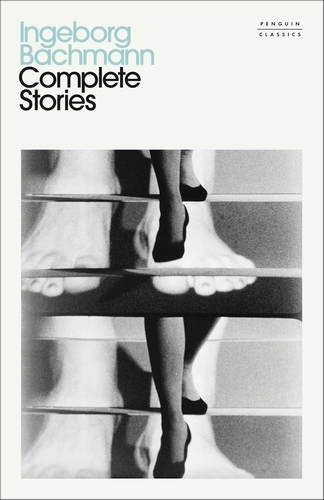
Complete Stories
Where does fascism begin? It doesn’t begin with the first bombs that were dropped. It begins in relationships between people. Fascism lies at the root of the relationship between a man and a woman….
Ingeborg Bachmann’s short fiction – each piece a razor-sharp feminist masterpiece, as urgent as a confession – arrives here in full force. This major collection draws together all the stories Bachmann wrote over her lifetime, many appearing in English for the first time.
These are intensely charged tales of power and submission, obsession and shame, which play out in cliff-side hotels, red-lit bars and court trials across postwar Europe. Bachmann follows lonely lovers through their stifled quarrels and private cruelties, where intimacy becomes a prison, language a weapon, and guilt the very air women breathe. As they struggle to make room for their lives within the narrowing confines of 1950s and 60s society, Bachmann exposes the legacy of fascism, lurking so close to the surface.
An undisputed giant of German-language literature, Bachmann’s ‘vision is so original that the effect is like having a new letter of the alphabet’ (Guardian).
Ingeborg Bachmann’s short fiction – each piece a razor-sharp feminist masterpiece, as urgent as a confession – arrives here in full force. This major collection draws together all the stories Bachmann wrote over her lifetime, many appearing in English for the first time.
These are intensely charged tales of power and submission, obsession and shame, which play out in cliff-side hotels, red-lit bars and court trials across postwar Europe. Bachmann follows lonely lovers through their stifled quarrels and private cruelties, where intimacy becomes a prison, language a weapon, and guilt the very air women breathe. As they struggle to make room for their lives within the narrowing confines of 1950s and 60s society, Bachmann exposes the legacy of fascism, lurking so close to the surface.
An undisputed giant of German-language literature, Bachmann’s ‘vision is so original that the effect is like having a new letter of the alphabet’ (Guardian).
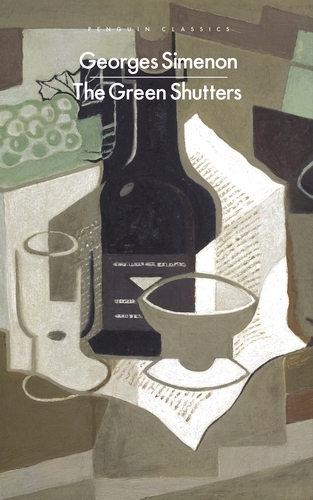
The Green Shutters
Sin and green shutters: both entailed lots of unexpected consequences that weren’t easy to see at first glance . . .
In the autumn years of his illustrious career, ‘The Great’ Emile Maugin, a celebrated actor, receives devastating news: he does not have long left to live. Hounded by rage, alcoholism and the memories of his fractured childhood in the Vendée marshes, he haunts the stage doors and dimly-lit bars of pre-war Paris. Yet, faintly visible on the horizon of his mind, stands a white house with green shutters and manicured lawns, whose inhabitants lead the ‘normal life’ that lies just beyond Maugin’s reach.
First published in 1950, The Green Shutters cuts to the depths of the human soul and asks: what is left to us when time runs out?
In the autumn years of his illustrious career, ‘The Great’ Emile Maugin, a celebrated actor, receives devastating news: he does not have long left to live. Hounded by rage, alcoholism and the memories of his fractured childhood in the Vendée marshes, he haunts the stage doors and dimly-lit bars of pre-war Paris. Yet, faintly visible on the horizon of his mind, stands a white house with green shutters and manicured lawns, whose inhabitants lead the ‘normal life’ that lies just beyond Maugin’s reach.
First published in 1950, The Green Shutters cuts to the depths of the human soul and asks: what is left to us when time runs out?

Medusa's Laugh
Write! Writing is for you, you are for you, your body is for you, take it.
First published in 1975, Medusa’s Laugh represented a defining moment for French feminism. In this landmark essay, feminist theorist and philosopher Hélène Cixous coined the term écriture féminine (or ‘feminine writing’). Allowing women to claim authority in the face of systematic oppression, she imagines this new mode of writing to be defined by a generous, open attitude to otherness and distinct from patriarchal models of communication. Part philosophical treatise, part political manifesto, Medusa’s Laugh is a clarion call to write – for ourselves and of ourselves – and is one of the most important works of second-wave feminism.
Translated by Eric Prenowitz.
First published in 1975, Medusa’s Laugh represented a defining moment for French feminism. In this landmark essay, feminist theorist and philosopher Hélène Cixous coined the term écriture féminine (or ‘feminine writing’). Allowing women to claim authority in the face of systematic oppression, she imagines this new mode of writing to be defined by a generous, open attitude to otherness and distinct from patriarchal models of communication. Part philosophical treatise, part political manifesto, Medusa’s Laugh is a clarion call to write – for ourselves and of ourselves – and is one of the most important works of second-wave feminism.
Translated by Eric Prenowitz.
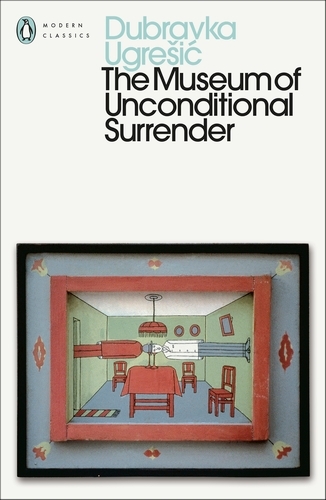
The Museum of Unconditional Surrender
‘In the end life is reduced to a heap of random, unconnected details. It could have been like this or like that, it's absolutely immaterial.’
A pink cigarette lighter, lollipop sticks, a beer-bottle opener: these are some of the contents of Roland the Walrus’ stomach, displayed by his pool in Berlin Zoo. These objects, like the reflections, dreams and diary entries that make up this novel, at first appear to be unconnected. But, underpinned by both quiet tragedy and humour, the fragments soon coalesce to reveal the shattered world of a life in exile.
Here Dubravka Ugrešic wades through the wreckage of war as the everyday objects in her metaphorical museum take on new meaning to make sense of displacement, ageing and loss. Written in the aftermath of the break-up of Yugoslavia, The Museum of Unconditional Surrender is a haunting meditation on the weight of the past and the fractured collections of memories that define us all.
A pink cigarette lighter, lollipop sticks, a beer-bottle opener: these are some of the contents of Roland the Walrus’ stomach, displayed by his pool in Berlin Zoo. These objects, like the reflections, dreams and diary entries that make up this novel, at first appear to be unconnected. But, underpinned by both quiet tragedy and humour, the fragments soon coalesce to reveal the shattered world of a life in exile.
Here Dubravka Ugrešic wades through the wreckage of war as the everyday objects in her metaphorical museum take on new meaning to make sense of displacement, ageing and loss. Written in the aftermath of the break-up of Yugoslavia, The Museum of Unconditional Surrender is a haunting meditation on the weight of the past and the fractured collections of memories that define us all.
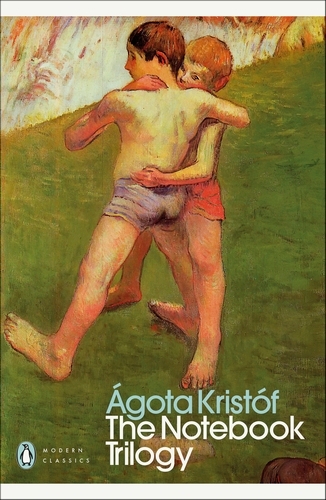
The Notebook Trilogy
Sent to a remote village to live with their grandmother, twins Claus and Lucas devise physical and mental exercises to render themselves invulnerable to the ongoing horrors of war and living under a totalitarian regime. When their bond is tested, their collective ‘we’ shatters and the boys become isolated in different countries. Lucas is challenged to prove his identity and that of his missing brother, a defector to ‘the other side’.
Kristóf’s haunting and unforgettable masterpiece has been an international phenomenon ever since its first publication in French 40 years ago. Distilling the brutally fracturing effects of war and displacement onto identity and memory, and our need for stories in our search for unity and meaning, The Notebook Trilogy is stark fable of timeless relevance.
Kristóf’s haunting and unforgettable masterpiece has been an international phenomenon ever since its first publication in French 40 years ago. Distilling the brutally fracturing effects of war and displacement onto identity and memory, and our need for stories in our search for unity and meaning, The Notebook Trilogy is stark fable of timeless relevance.
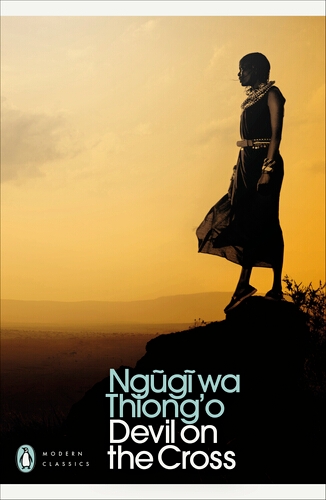
Devil on the Cross
A legendary work of African literature, Devil on the Cross is one of the cornerstones of Ngugi wa Thiong'o's enduring fame. An impassioned cry for a Kenya free of dictatorship and for African writers to work in their own local dialects, this novel offers a searing critique of capitalism and colonialism by one of the world’s greatest and most provocative writers.
Written on toilet paper while Ngugi wa Thiong'o was in prison, this novel tells the tragic story of Wariinga, a young woman who moves from a rural Kenyan town to the capital, Nairobi, only to be exploited by her boss and later a corrupt businessman. As Wariinga struggles to survive, she begins to realize that her problems are only symptoms of a larger societal malaise and that much of the misfortune stems from the Western, capitalist influences on her country. Climaxing in an unforgettable scene of the 'Devil's Feast', a satirical parable on Western culture and business practices, Devil on the Cross is an essential story of the post-colonial African experience.
Written on toilet paper while Ngugi wa Thiong'o was in prison, this novel tells the tragic story of Wariinga, a young woman who moves from a rural Kenyan town to the capital, Nairobi, only to be exploited by her boss and later a corrupt businessman. As Wariinga struggles to survive, she begins to realize that her problems are only symptoms of a larger societal malaise and that much of the misfortune stems from the Western, capitalist influences on her country. Climaxing in an unforgettable scene of the 'Devil's Feast', a satirical parable on Western culture and business practices, Devil on the Cross is an essential story of the post-colonial African experience.
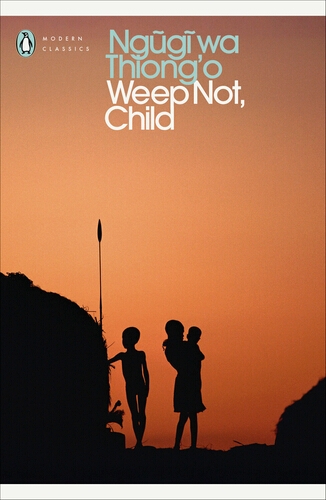
Weep Not, Child
‘It is not much that a man can do without a piece of land’
Njoroge has big dreams for the future. Unlike his brothers – Kamau, an apprentice craftsman, and Boro, uncertain and scarred by violence – he wants an education. But this is colonial Kenya, and times are against them. Workers are striking, and in the forests the Mau Mau are waging war against the white government. As Njoroge progresses through his schooling, he and his family must decide where their loves and loyalties lie, even if the choice tears them apart. Ngugi wa Thiong’o’s 1964 debut novel devastatingly shows the tragic effects of colonialism on ordinary lives.
‘One of the greatest writers of our time’ Chimamanda Ngozi Adichie
‘In Weep Not, Child Ngugi’s art is at its purest’ Ben Okri
Njoroge has big dreams for the future. Unlike his brothers – Kamau, an apprentice craftsman, and Boro, uncertain and scarred by violence – he wants an education. But this is colonial Kenya, and times are against them. Workers are striking, and in the forests the Mau Mau are waging war against the white government. As Njoroge progresses through his schooling, he and his family must decide where their loves and loyalties lie, even if the choice tears them apart. Ngugi wa Thiong’o’s 1964 debut novel devastatingly shows the tragic effects of colonialism on ordinary lives.
‘One of the greatest writers of our time’ Chimamanda Ngozi Adichie
‘In Weep Not, Child Ngugi’s art is at its purest’ Ben Okri
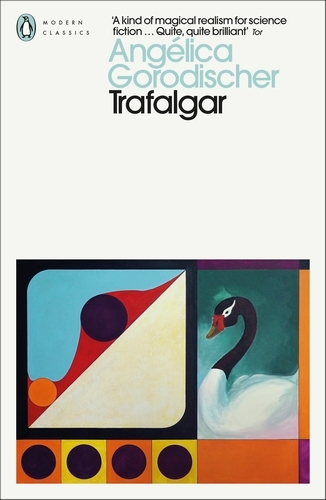
Trafalgar
Part pulp adventure, part otherworldly meditation, this is the story of Trafalgar Medrano: intergalactic trader and lover of bitter coffee and black cigarettes. In the bars and cafés of Rosario, Argentina, he recounts tall tales of his space escapades - involving, among other things, time travel and dancing troglodytes.
Cosmopolitan, philosophical and, above all else, pure fun, Angélica Gorodischer's Trafalgar is a unique blend of science fiction, magical realism and shaggy-dog tale from one of Argentina's most distinctive writers.
Cosmopolitan, philosophical and, above all else, pure fun, Angélica Gorodischer's Trafalgar is a unique blend of science fiction, magical realism and shaggy-dog tale from one of Argentina's most distinctive writers.
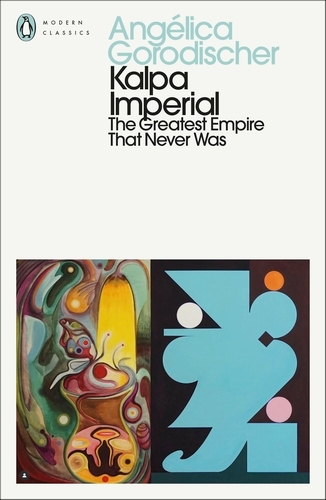
Kalpa Imperial
In city squares and golden palaces, a series of storytellers recount the history of the greatest Empire that never was: a history in which orphans rise from the underworld to the throne, mad emperors raze cities, captive dancers induce fatal delirium and murderous empresses plot against their own children.
Angélica Gorodischer’s novel, masterfully translated by Ursula K. Le Guin, conjures a vivid fictional universe of labyrinthine cities, desert caravans and the lawless South – and of an Empire fated to rise, fall and rise again.
Angélica Gorodischer’s novel, masterfully translated by Ursula K. Le Guin, conjures a vivid fictional universe of labyrinthine cities, desert caravans and the lawless South – and of an Empire fated to rise, fall and rise again.
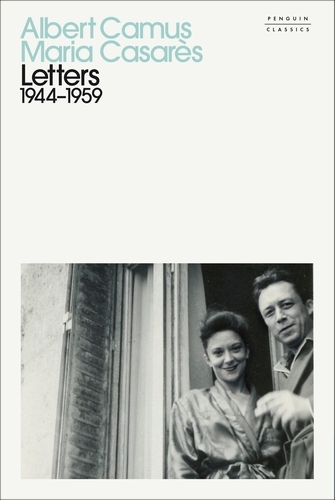
Letters
You and I met and fell in love passionately, impatiently, dangerously. I regret nothing and I feel that these last days I’ve lived are enough to justify a life. – Albert Camus to Maria Casarès, 1st July 1944
Their affair began in wartime Paris. Maria Casarès, a young Spanish actress, was starring in a production of the great writer’s play The Misunderstanding, and at an after-party hosted by Simone de Beauvoir and Jean-Paul Sartre, they embarked on a brief but passionate relationship. Separated by the end of the Occupation and the return of Camus’s wife to Paris, the couple were reunited by chance one day on the boulevard Saint-Germain, and from that day forward – until the fatal car crash that took Camus’s life in 1960 – they were inseparable.
Their correspondence, uninterrupted for over a decade, is testimony to the depth of their connection while also offering a vivid portrait of artistic life in post-war Europe. Camus and Casarès debate books and politics; describe encounters with Colette, Cocteau, Gide and Picasso; discuss stardom and everyday life, their love of the sea and nature, their doubts and dreams. Above all, they describe a relationship that feels like an impossible gift.
Translated into English for the first time by Sandra Smith and Cory Stockwell, these 865 letters reveal the intimate personal lives of two extraordinary artists, and record one of the great love affairs of the twentieth century.
Their affair began in wartime Paris. Maria Casarès, a young Spanish actress, was starring in a production of the great writer’s play The Misunderstanding, and at an after-party hosted by Simone de Beauvoir and Jean-Paul Sartre, they embarked on a brief but passionate relationship. Separated by the end of the Occupation and the return of Camus’s wife to Paris, the couple were reunited by chance one day on the boulevard Saint-Germain, and from that day forward – until the fatal car crash that took Camus’s life in 1960 – they were inseparable.
Their correspondence, uninterrupted for over a decade, is testimony to the depth of their connection while also offering a vivid portrait of artistic life in post-war Europe. Camus and Casarès debate books and politics; describe encounters with Colette, Cocteau, Gide and Picasso; discuss stardom and everyday life, their love of the sea and nature, their doubts and dreams. Above all, they describe a relationship that feels like an impossible gift.
Translated into English for the first time by Sandra Smith and Cory Stockwell, these 865 letters reveal the intimate personal lives of two extraordinary artists, and record one of the great love affairs of the twentieth century.
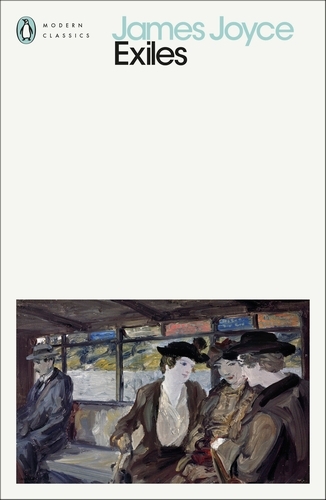
Exiles
‘The undertow of unspoken feeling is tumultuous, and although hardly anything happens the action amounts to a fearful adventure’ New York Times
James Joyce’s play Exiles follows the story of writer Richard Rowan, who, along with his 'common-law wife’ Bertha and their son Archie, has come home to Dublin after ten years away. The couple’s return triggers an existential questioning, an anxiousness which is exacerbated by meetings with old friends and lovers. All this is set against the background of the summer of 1912, when Ireland and even England were threatening to tear themselves apart over Ulster. Exiles is a profound exploration of jealousy, doubt and the complexity of human desire; it is also about the torments of disunion in both the public and private realm.
With a new introduction and notes by Andrew Gibson.
James Joyce’s play Exiles follows the story of writer Richard Rowan, who, along with his 'common-law wife’ Bertha and their son Archie, has come home to Dublin after ten years away. The couple’s return triggers an existential questioning, an anxiousness which is exacerbated by meetings with old friends and lovers. All this is set against the background of the summer of 1912, when Ireland and even England were threatening to tear themselves apart over Ulster. Exiles is a profound exploration of jealousy, doubt and the complexity of human desire; it is also about the torments of disunion in both the public and private realm.
With a new introduction and notes by Andrew Gibson.
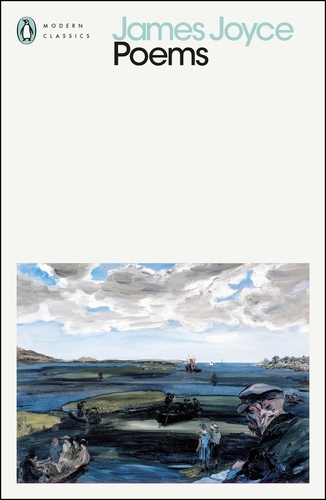
Poems
'His writing is not about something; it is that something itself' Samuel Beckett
James Joyce's towering genius as a novelist has often overshadowed his achievements as a poet, yet his verse occupies a pivotal position in his career. This new edition comprises all the poetry that was published in Joyce's lifetime, including his highly accomplished 1907 debut Chamber Music, which fused exuberant lyricism with sharp irony, and the later collection Pomes Penyeach, which confronted adultery, jealousy and betrayal. Also included here are the satirical poems ‘The Holy Office’ and ‘Gas from a Burner’, and ‘Ecce Puer’, written for his new-born grandson.
With a new introduction and notes by Clare Hutton.
James Joyce's towering genius as a novelist has often overshadowed his achievements as a poet, yet his verse occupies a pivotal position in his career. This new edition comprises all the poetry that was published in Joyce's lifetime, including his highly accomplished 1907 debut Chamber Music, which fused exuberant lyricism with sharp irony, and the later collection Pomes Penyeach, which confronted adultery, jealousy and betrayal. Also included here are the satirical poems ‘The Holy Office’ and ‘Gas from a Burner’, and ‘Ecce Puer’, written for his new-born grandson.
With a new introduction and notes by Clare Hutton.
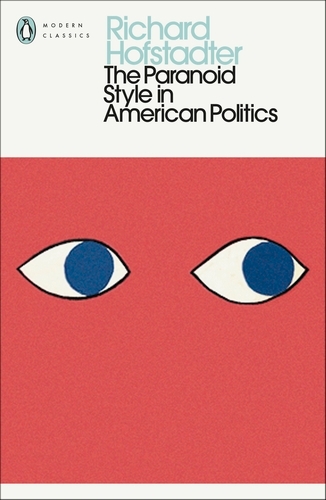
The Paranoid Style in American Politics
'American political life … has served again and again as an arena for uncommonly angry minds'
How can a country be captured by rumours, surreal conspiracy theories and the most brazen of conmen? The historian Richard Hofstadter asked these questions in the 1960s, amid fears of rising extremism in America. Yet his dazzling dissection of the paranoid worldview – a brew of overheated exaggeration, suspicion and perceived victimhood, which can derail entire nations – is a lesson for the ages in the seductive politics of the irrational.
In an era where we feel assailed by endless paranoid public statements, Hofstadter’s discussion of famous and obscure untruths, some of which have profoundly impacted American domestic and foreign policy, provide the antidote for the present day.

The Issa Valley
'Thomas was born in the village of Gine at that time of year when a ripe apple thumps to the ground during an afternoon lull.' So a boy's life begins in a winding river valley on the Polish-Russian border where time is measured by seasonal rhythms and ancient songs. For Thomas, the ghosts in the forest are as real as the magical water-snakes that live in the Issa; in the village he is entranced by the women with their cinched waists and the men in their long boots. But when he is shown a map, he discovers a kingdom all his own and starts to dream of leaving the valley behind.
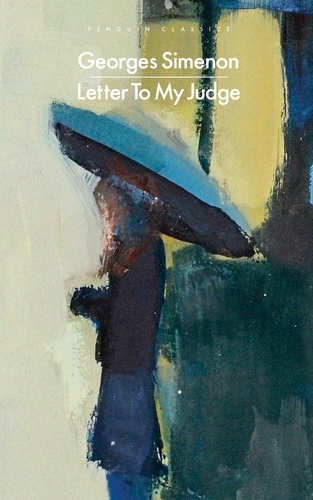
Letter to My Judge
My dear Judge, I would like one man, just one, to understand me. And I really hope that man can be you.
In a small town in western France, Dr Charles Alavoine seems to lead the perfect life: his own medical practice, two beautiful children, a new wife and a doting mother. Yet as each quiet day of bourgeois conformity passes, Alavoine begins to feel a sharp sense of futility and solitude. Then, one rainy day in December, he meets a mysterious young woman on a station platform. Fascinated by her innocence and the scars of her past, Alavoine’s passion soon gives way to obsession, as he is drawn deeper into a web of desire and deceit, ending in a terrible act that will forever change the course of his life.
First published in 1947, Letter to My Judge is a masterful exploration of the darkest corners of the human soul, and a harrowing exorcism of Simenon’s phantoms.
In a small town in western France, Dr Charles Alavoine seems to lead the perfect life: his own medical practice, two beautiful children, a new wife and a doting mother. Yet as each quiet day of bourgeois conformity passes, Alavoine begins to feel a sharp sense of futility and solitude. Then, one rainy day in December, he meets a mysterious young woman on a station platform. Fascinated by her innocence and the scars of her past, Alavoine’s passion soon gives way to obsession, as he is drawn deeper into a web of desire and deceit, ending in a terrible act that will forever change the course of his life.
First published in 1947, Letter to My Judge is a masterful exploration of the darkest corners of the human soul, and a harrowing exorcism of Simenon’s phantoms.
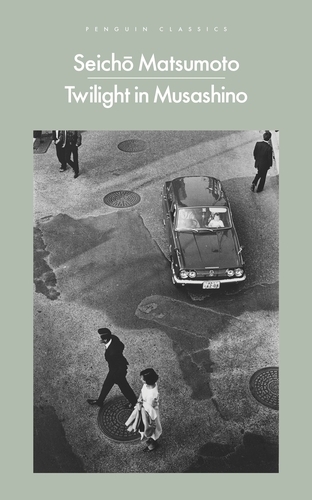
Twilight in Musashino
Musashino, 1959. A young Japanese flight attendant is found strangled on the icy banks of the river. The police suspect foul play – but the deeper they dig, the more they collide with a wall of silence.
At the centre of it all stands a foreign priest and the Guglielmo Church, a charitable Christian mission. The dead woman’s connection to the church is undeniable. But what begins as a routine investigation quickly turns into something far more treacherous, entangling together narcotics, post-war relief schemes and the delicate web of international diplomacy.
As the story moves from back alleys to diplomatic sanctuaries, following the twists and turns of Detective Fujisawa's investigation, Seicho Matsumoto masterfully constructs a slow-burning procedural where truth is clear but justice is not permitted.
Collect the Penguin Modern Classics
Choose three Penguin Modern Classics for only £21 over on the Penguin Shop.